
Window Tint Percentages Explained: A Guide for Michigan Drivers

Picking the right window tint percentage sounds simple until you actually stand in the shop and stare at samples in every shade from nearly clear to jet black. Which one is right for your car, your driving style, and your budget? And more importantly for Michigan drivers, which shades are legal on which windows? Michigan tint law is stricter than most drivers realize, and getting it wrong can lead to fines, forced removal, and a lot of wasted money. This guide from Prestige Protective Films in Waterford, MI, walks you through everything you need to know about window tint percentages. What each number really means, what every common shade actually looks like on a car, what Michigan law allows, and how to pick the percentage that fits your lifestyle. By the end, you will feel confident walking into any shop and knowing exactly what you want. What Window Tint Percentage Really Means Before comparing shades, you need to understand the number itself. Tint percentage is not what most people think it is. Understanding VLT (Visible Light Transmission) VLT stands for Visible Light Transmission. It measures how much visible light passes through the window film and glass combined. A 5% VLT means only 5% of light gets through, which is very dark. A 70% VLT means 70% of light gets through, which is very light. The lower the number, the darker the tint. The trick most drivers miss is that VLT measures film and glass together. Factory glass usually blocks some light on its own, so your final VLT reading is always lower than the film’s rating alone. Higher VLT vs Lower VLT Higher VLT (like 70% or 50%) lets more light in. Better visibility, especially at night, but less privacy and less heat rejection. Lower VLT (like 20% or 5%) blocks most of the light. Strong privacy and a bold look, but drastically reduced visibility after dark. The right balance depends on how you use your car, where you drive, and what matters most to you. Why Applied Tint Reads Darker Than the Film Rating Here is the part most drivers get wrong. When your factory glass already blocks some light, adding aftermarket film stacks on top of that. A film rated at 35% VLT installed over factory glass often reads at 25% or lower on a police tint meter. This is why reputable shops measure your factory glass first and match the film to hit the exact final VLT you want. A shop that skips this step often installs film that ends up darker than the customer wanted. A Full Breakdown of Every Common Tint Percentage Here is what each shade actually looks and feels like in the real world. 90% VLT (Almost Invisible) This is nearly clear. You barely notice it from outside. Great for drivers who want strong UV protection and some heat rejection without changing the look of the car at all. Popular for windshields where legal, since it provides real UV blocking without darkening the driver’s view. 70% VLT (Very Light) Still very light and mostly transparent. Provides more heat rejection than 90% and blocks a good amount of UV rays. Perfect for windshields or for drivers who mostly want protection without any darkening. Night visibility is excellent at this level. 50% VLT (Light) Now you can start to see the shade from outside. Solid heat rejection and glare reduction while keeping strong visibility both day and night. This is one of the most popular tint choices for daily drivers who want performance without a dark, aggressive look. A trusted window tinting shop in Waterford, MI often recommends 50% for drivers who prioritize safety and comfort. 35% VLT (Medium) This is the sweet spot for many drivers. Enough darkness to add privacy and a stylish look, but still light enough to allow reasonable night visibility. In many states, 35% is the legal limit for front side windows. Michigan is different (more on that below), but 35% is very popular for back side windows and rear windows on sedans. 20% VLT (Dark) Now the tint looks noticeably dark from outside. Strong privacy, significant heat rejection, and a bold appearance. Night visibility takes a real hit at this level, especially on unlit roads or in heavy rain. This is a popular choice for back side windows on SUVs, trucks, and vans where privacy is a bigger priority than visibility. 15% VLT (Very Dark) Very dark and hard to see through from outside. Great for maximum privacy on rear windows, but not recommended for front side windows because of night visibility issues. Most drivers who want this level choose it for the back windows of large trucks or family SUVs. 5% VLT (Limo Tint) Also called limo tint, this is the darkest option most shops offer. From outside, the windows look almost black. Inside, it feels like wearing sunglasses even in daylight. Night driving with 5% front tint is a real safety hazard. It is only recommended for back side windows and rear windows on SUVs and trucks where visibility from those windows is less critical. Michigan Tint Law: What Drivers Really Need to Know This is where Michigan is different from almost every other state. Most states allow some level of aftermarket tint on the front side windows. Michigan does not, at least not the way most drivers think. Here is what the law actually says under MCL 257.709. The Windshield Rule You can apply non-reflective tint to the top 4 inches of the windshield, or down to the AS-1 line marked by the manufacturer, whichever is shorter. Nothing else on the windshield is legal. This top strip is often called a sun strip and helps cut sunrise and sunset glare. The Front Side Window Rule This is where Michigan surprises most drivers. Under state law, aftermarket tint on the driver and front passenger side windows is essentially prohibited except for the top 4 inches. That means even very light film like 70% or 90% VLT
How Long Does Ceramic Window Tint Really Last?

Ceramic window tint is one of the most popular upgrades for cars today, and for good reason. It rejects heat better than any other film type, blocks 99% of UV rays, and gives your car a sharp, clean look that lasts for years. The one question every driver asks before spending the money is simple. How long does it actually last? You will find answers online ranging from five years to a lifetime, and the truth is a lot more specific than most blogs let on. This guide from Prestige Protective Films in Waterford, MI breaks down the real-world lifespan of ceramic window tint. What it depends on, how it compares to dyed and carbon films, what shortens the life, and exactly how to make it last as long as possible on Michigan roads. By the end, you will know exactly what to expect from ceramic tint and how to protect your investment for years. The Honest Answer Up Front Here is the straight answer. Premium ceramic window tint typically lasts 15 to 20 years or more, with top films like XPEL Prime XR Plus often carrying a full lifetime warranty. Entry-level ceramic films last around 10 years. Mid-range ceramic films land somewhere between 12 and 15 years. Cheaper dyed and carbon films only last 3 to 7 years, which is why ceramic is worth the higher upfront cost. That said, real lifespan depends on the film brand, the quality of the installation, and how you care for the tint after. Let’s break down each of these factors so you can maximize every dollar of your investment. Why Ceramic Tint Outlives Every Other Type Ceramic tint is not just a marketing name. The science behind it is fundamentally different from cheaper films, which is why it lasts so much longer. The Science of Nano-Ceramic Particles Ceramic window tint uses microscopic nano-ceramic particles embedded in the film. These particles are inorganic, which means they do not break down under UV exposure the way dyes and adhesives do. That is the single biggest reason ceramic tint outlasts every other type. The ceramic material stays chemically stable for decades, even in harsh sunlight and extreme temperatures. The particles also block infrared heat and UV rays without needing metallic layers. That means ceramic tint blocks heat far better than dyed or carbon films while still allowing cell signals, GPS, and keyless entry systems to work normally. Better performance and longer lifespan in the same product. Why Dyed and Carbon Films Fail Sooner Dyed film uses colored dye to darken the glass. The dye is organic, which means UV rays slowly break it down over time. Within 3 to 5 years, dyed tint often fades to a purple shade and starts bubbling. This is what causes those old cars driving around with obviously failing tint on the windows. Carbon film uses carbon particles instead of dye, which extends the life to about 5 to 7 years. It handles color better than dyed but still cannot match ceramic in either heat rejection or long-term stability. Metallic films perform decently but often interfere with cell signals and can corrode over time. Real-World Lifespan Numbers You Can Trust Not all ceramic tint is equal. Here is what to actually expect from each tier of ceramic film available today. Entry-Level Ceramic Films Basic ceramic films from lesser-known brands typically last 8 to 10 years. They deliver real ceramic benefits like heat rejection and UV blocking, but the warranty coverage is usually shorter. Warranties on this tier commonly run 5 to 7 years. Great for drivers who want ceramic performance without the highest price tag. Mid-Range Ceramic Films Mid-tier ceramic films from established brands last 12 to 15 years with proper care. This tier often includes premium adhesives, higher UV stability, and stronger warranty coverage in the 10-year range. Many drivers land in this tier because it hits the sweet spot between price and longevity. Reputable ceramic window tinting in Waterford, MI shops usually stock at least one option in this range. Premium Ceramic Like XPEL Prime XR Plus Top-tier ceramic films like XPEL Prime XR Plus, 3M Ceramic IR, and other flagship products from major brands last 15 to 20 years or longer and typically carry lifetime warranties. These films use multi-layer nano-ceramic technology, block up to 98% of infrared heat, and block 99% of UV rays. The lifetime warranty is a big deal. It usually covers fading, bubbling, peeling, and color change for as long as you own the vehicle. Some warranties even transfer to the next owner. When you calculate the cost per year over the life of the film, premium ceramic often costs less than replacing cheap tint every 5 years. Factors That Shorten Ceramic Tint Lifespan Even the best ceramic tint fails early with bad habits. Here are the biggest lifespan killers. Ammonia and Harsh Cleaners Ammonia is the number one enemy of window tint. Products like regular Windex contain ammonia, and every wipe with an ammonia-based cleaner slowly breaks down the film. This applies to ceramic tint just as much as dyed tint, even though ceramic is more resistant overall. Always use an ammonia-free glass cleaner or a simple mix of water with a drop of dish soap. Poor Installation and Trapped Contaminants The single biggest lifespan factor is often the install itself. Dust, hair, dirt, or moisture trapped under the film during installation creates weak points that lead to bubbling and lifting years down the road. This is why a controlled, clean environment matters so much. Rushed installs in dusty shops or hot parking lots cause problems that no amount of good film can fix. Ice Scrapers and Winter Damage For Michigan drivers, this is a big one. Never use an ice scraper on the inside of tinted windows. Frost forms on the inside when the cabin is warmer than the outside air, and scraping that frost can gouge or shred the film. Even one careless scrape can leave permanent damage. Always
New Car Protection in Waterford, MI: What to Do in the First 90 Days
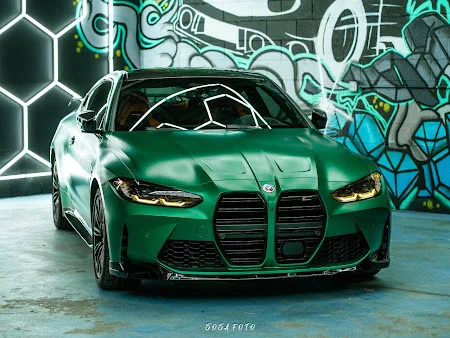
Most Waterford car owners think about paint protection after something goes wrong. A chip on the hood after one highway drive. A swirl mark from the first car wash. A scratch in the parking lot at Great Lakes Crossing. By that point, the factory paint is already damaged, and no protection product can fully undo what has already happened. Getting protection on a new car early makes a real difference. The paint is clean, the clear coat is fresh, and nothing needs correcting before installation. Prestige Protective Films provides paint protection film in Waterford, MI, and across Oakland County, and this guide walks through exactly what to do and when during those first 90 days. Why the First 90 Days Define Your Car’s Condition for Years A new car leaves the factory with paint that has never touched road debris, UV rays, chemicals, or extreme heat and cold. The clear coat is at full thickness. The paint surface has no scratches, swirl marks, or weak spots yet. Every day of driving on Oakland County roads without protection moves that condition further from what the factory delivered. Some of that damage can be corrected later. A lot of it cannot. There is also a practical timing reason to act early. Factory paint continues curing for several weeks after delivery. During this period, the clear coat hardens fully and reaches its best adhesion for protection films and coatings. Installing paint protection film or ceramic coating while the paint is still fresh produces a stronger bond and better long-term results than waiting until the paint has collected chips, contamination, and scratches that need correcting first. Getting in early costs less and protects more. Why Michigan Makes the First 90 Days More Critical Than Most States Oakland County roads create a specific paint damage environment that makes the first-drive-to-first-protection interval consequential in ways that mild-climate markets never experience. M-59 through Waterford and Pontiac carries heavy commercial truck traffic year-round that generates sustained gravel and debris impact on every commute. I-75 through the Auburn Hills and Rochester Hills corridor, one of the most common routes for Oakland County drivers, produces the same sustained chip exposure from commercial traffic at highway speeds. Michigan’s road salt and brine application begins as early as October and runs through April. The first winter a new car spends on treated Oakland County roads without paint protection film on the front end panels is the winter that establishes the chip sites where salt will enter and begin working on the bare metal beneath the paint surface. This process is invisible for months and produces the rust blooms visible under the paint on older, unprotected Michigan vehicles. It begins with the first chip on the first salt-treated drive. UV exposure in Michigan runs from April through October, with index values reaching 8 to 10 during peak summer months in the Metro Detroit area. A new car delivered in spring and left unprotected through its first Michigan summer accumulates meaningful UV oxidation across its paint surface during the precise period when the clear coat is at its most vulnerable: the early curing months before it reaches full hardness. What Dealers Do Not Tell You Before You Drive Off the Lot Most Waterford dealerships offer a protection package at the point of sale. These packages typically run $1,200 to $1,800 and are presented as comprehensive paint protection for the vehicle. The reality is that most dealer protection packages consist of a spray-on polymer sealant applied in 30 to 60 minutes, sometimes alongside an interior fabric spray. The dealer’s cost for this application is $40 to $80. The polymer sealant provides real but minimal protection that degrades within 60 to 90 days under Michigan’s UV and weather conditions. This is not paint protection film. It is not a ceramic coating. It leaves the paint physically unprotected from the rock chip impacts that Oakland County roads produce on every commute. A vehicle sold with a dealer protection package that drives M-59 daily accumulates front-end chip damage at the same rate as a completely unprotected vehicle because the polymer sealant cannot absorb physical impact. Understanding this distinction before driving off the lot changes the first 90 days significantly. The question is not whether to protect the vehicle. The question is which protection product addresses which specific threats and when to have it installed for optimal results. Phase 1, Days 1 to 7: Assess Before Anything Touches the Paint The first week of new car ownership is not the time to install protection products. It is the time to assess the factory paint condition and plan the protection approach before the vehicle accumulates any damage that would need to be corrected before installation. During the first week, inspect the paint surface carefully under good lighting: daylight at an angle, or a bright overhead light in a garage. What to check: Swirl marks or light scratches from the dealer’s pre-delivery preparation wash Any transport damage, meaning small chips or scratches from the vehicle’s journey from the factory to the dealership Orange peel texture, a slight dimpled surface texture that is normal on factory paint, but more pronounced on some manufacturers ‘ paint Any areas of uneven paint thickness or colour variation that could indicate prior repair This inspection matters because any paint defects present at installation get sealed beneath the film or coating permanently. Defects that are not corrected before installation are visible forever afterward through the clear film or glossy coating. If the pre-delivery inspection reveals scratches or swirl marks from dealer prep, a light paint correction before installation is the appropriate next step, not an urgent one, but a planned one before the protection products are applied. Do not wash the vehicle with anything other than a clean microfiber cloth and fresh water during the first week. Avoid car washes entirely. The goal in week one is to assess the paint’s condition without introducing any additional scratches or contamination before the protection appointment. Phase 2, Days
What Causes Ceramic Coating to Fail on a Car and How to Prevent It
Ceramic coating has become one of the most talked-about paint protection solutions in the automotive world, and for good reason. It promises long-lasting shine, hydrophobic water behavior, UV protection, and a surface so slick that dirt practically slides right off. Sounds like a dream, right? But here’s the reality that not enough people talk about: ceramic coating can and does fail. And when it fails, it does not just quietly fade away. It peels, it water-spots, it loses that glossy depth, and it can leave your paint in worse condition than if you had never applied it at all. So what actually causes ceramic coating to fail, and more importantly, how do you stop it from happening? Whether you already have a coating on your vehicle or you are thinking about getting one, this guide covers everything you need to know. And if you are in the Waterford area, understanding what separates a quality Ceramic Coating in Waterford, MI installation from a poor one could save you a lot of frustration down the road. What Ceramic Coating Actually Does to Your Vehicle Before diving into failure causes, it helps to understand what ceramic coating is actually doing to your car. At its core, ceramic coating is a liquid polymer that chemically bonds with your vehicle’s factory paint. Once cured, it creates a semi-permanent protective layer that sits on top of the clear coat. This layer is harder than standard wax or paint sealant, which is why it lasts so much longer. It repels water, resists minor scratches, blocks UV rays, and makes routine cleaning far easier. A properly applied and maintained ceramic coating can last anywhere from two to five years or longer depending on the product and care routine. The Science Behind the Bond The reason ceramic coating works so well is also the reason it fails so dramatically when things go wrong. The coating bonds at a molecular level with the paint surface beneath it. That means the surface must be perfectly clean, decontaminated, and polished before application. Any contamination, oils, or imperfections trapped beneath the coating will compromise that bond from day one. Think of it like trying to stick tape to a dusty wall. The tape might hold for a little while, but eventually it peels right off. The Most Common Reasons Ceramic Coating Fails Let’s get into the specifics. These are the most frequent culprits behind ceramic coating failure, and most of them happen before the coating ever touches the car. Poor Surface Preparation Before Application This is the number one cause of ceramic coating failure, and it is almost entirely avoidable. Proper prep work involves a thorough wash, a clay bar decontamination to remove embedded particles, and in most cases, a paint correction step to remove swirl marks and scratches. If any of these steps are skipped or rushed, the coating bonds to a compromised surface. The result? The coating looks fine initially, but within weeks or months, you start seeing areas where it lifts, becomes uneven, or fails to repel water the way it should. A shop that rushes the prep work to save time or cut costs is setting your coating up to fail before the first drop of product is applied. Prestige Protective Films takes surface preparation seriously, understanding that the prep phase is not optional, it is the entire foundation of a successful ceramic coating installation. Incorrect Application Technique Ceramic coating is not a product you can just wipe on and walk away from. The application process requires precise control over product quantity, spread technique, flash time, and buffing. Apply too much product and you get high spots, those stubborn, hazy patches that are extremely difficult to remove once the coating has cured. Apply too little and you get uneven coverage with thin spots that fail faster. Temperature, humidity, and even the lighting conditions in the shop affect how the coating behaves during application. An experienced technician knows how to read these variables and adjust accordingly. Someone with limited experience guessing their way through an application is a recipe for failure. Wrong Environmental Conditions During Installation This one surprises a lot of people. Ceramic coating is sensitive to the environment in which it is applied. Ideally, application should happen in a controlled indoor environment with stable temperature and humidity levels. Too much humidity and the coating can cure improperly, leading to a hazy or streaky finish. Too much heat and the product flashes too quickly, leaving high spots before the technician has a chance to level the coating. Shops that apply ceramic coating in open garages, outdoors, or in uncontrolled conditions are taking a serious gamble with your vehicle’s finish. This is another reason why choosing a professional Ceramic Coating in Waterford, MI shop with a dedicated, climate-controlled installation bay matters more than most people realize. Using Low-Quality Ceramic Coating Products Not all ceramic coatings are created equal. The market is flooded with budget products that promise professional-grade results but deliver a fraction of the durability and protection. Professional-grade coatings from established brands like Ceramic Pro, Gtechniq, IGL Coatings, and similar manufacturers are formulated with higher concentrations of SiO2 and more sophisticated bonding chemistry. Budget coatings often have shorter cure times listed on the label to make them seem easier to apply, but that speed comes at the cost of bond strength and longevity. A coating that cures in two hours is not going to outlast one that cures over 24 to 48 hours under proper conditions. How Owner Habits Speed Up Ceramic Coating Failure Even a perfectly applied ceramic coating can be degraded by poor maintenance habits. The coating does not make your car maintenance-free. It makes maintenance easier, but it still requires the right approach. Washing Mistakes That Destroy the Coating Automatic car washes with abrasive brushes are one of the fastest ways to degrade a ceramic coating. Those spinning brushes introduce fine scratches into the coating surface, breaking down its hydrophobic properties over time. Similarly, using
How Professional Car Window Tinting Increases Comfort During Long Drives in Lake Angelus MI?
Long drives through Oakland County have a certain charm to them. The roads around Lake Angelus offer quiet, scenic stretches that are genuinely enjoyable when your car is comfortable. However, that comfort disappears fast when the sun is hammering through your windows, your eyes are straining against glare, and your air conditioning is working overtime just to keep the cabin tolerable. For drivers in this area, professional car window tinting is one of the most practical upgrades available for improving the quality of every mile behind the wheel. Prestige Protective Films has worked with drivers throughout the Lake Angelus area who were surprised by just how dramatically the right window tint transformed their daily and long-distance driving experience. This article walks through exactly how that transformation happens and why it matters. Why Driving Comfort Matters More Than Most People Realize in Lake Angelus MI Most drivers think about comfort in terms of their seats or sound system. Window tinting rarely comes to mind first, yet it addresses some of the most physically demanding aspects of driving. Michigan roads around Lake Angelus can be deceptively exposed to sunlight, especially during summer months when the sun angle is high and the days are long. Drivers heading out past Lake Angelus City Hall toward the surrounding Oakland County roads often deal with afternoon sun that sits directly in their line of sight. Driving fatigue is a real issue, and a significant portion of it comes from thermal discomfort and visual strain rather than distance alone. When your body is constantly fighting heat and your eyes are constantly adjusting to glare, your focus and energy levels drop faster than they would in a cooler, visually balanced environment. Auto window tinting in Lake Angelus MI directly addresses both of these problems at the source. How Heat Buildup Inside Your Car Affects Long Drive Comfort Heat is the enemy of comfort on any long drive. A car parked or driven under direct sunlight can see interior temperatures rise dramatically within minutes, and without proper window tinting, your air conditioning system is constantly chasing a moving target. That thermal imbalance makes passengers restless, increases driver fatigue, and puts unnecessary strain on your vehicle’s cooling system. The Science Behind Solar Heat Gain Through Untinted Glass Standard automotive glass does a reasonable job of blocking some UV radiation, but it is largely transparent to infrared radiation, which is the portion of the solar spectrum responsible for the heat you feel. Infrared rays pass through untreated glass freely, warming your dashboard, seats, steering wheel, and the air inside your cabin. On a sunny Michigan summer day near Lake Angelus, that process happens quickly and intensely. How Window Tinting Blocks Heat Before It Enters Your Cabin Quality window tinting films, particularly ceramic options, are engineered to intercept infrared radiation at the glass surface rather than allowing it to pass through. Ceramic window tint in Lake Angelus MI can reject up to 80% or more of infrared energy depending on the film specification. That means the heat never fully enters your cabin in the first place, which is a fundamentally different outcome from simply running the air conditioning harder to compensate for heat that has already built up inside. The practical result on a long drive is a cabin that stays consistently cooler, an air conditioning system that cycles less aggressively, and a noticeably more stable, comfortable environment for both the driver and every passenger on board. Glare Reduction and Eye Strain on Michigan Roads Glare might seem like a minor inconvenience, but for anyone who has driven eastbound on a Michigan road during the early morning or westbound in the late afternoon, it is anything but minor. The low sun angle during those windows turns every wet road surface, oncoming windshield, and reflective sign into a source of blinding light. How Glare Affects Driver Focus and Reaction Time When your eyes are exposed to intense, direct glare, your pupils constrict rapidly and your visual processing slows down. This creates a measurable delay in reaction time. Over the course of a long drive, that constant adjustment cycle builds into genuine eye fatigue. Drivers near the McMath–Hulbert Observatory area, where open roads give the sun unobstructed access to your windshield, know this experience well. Beyond reaction time, glare forces the eyes to work harder to resolve details like road markings, pedestrian movements, and traffic signals. That extra effort is tiring in a way that accumulates gradually rather than hitting all at once, which is part of why glare fatigue can sneak up on drivers who think they are handling it fine. How Window Tinting Cuts Glare Without Blocking Your View Professional window tinting reduces visible light transmission in a controlled, even way across the entire window surface. Unlike sunglasses, which only cover your eyes, window tinting treats the entire glass area so that every line of sight into and through the window is managed consistently. The result is a softer, more diffused light environment inside the cabin that dramatically reduces the strain your eyes experience over the course of a long drive. Modern ceramic and carbon films achieve this without making the interior feel dark or oppressive. They find the right balance between light transmission and glare control, which is part of what separates best car window tinting in Lake Angelus MI from lower-quality alternatives. UV Protection Window Tint in Lake Angelus MI and What It Does for Your Health Most drivers are aware that sunscreen matters outdoors, but many overlook the fact that UV radiation passes through car windows and accumulates on exposed skin during every drive. Standard automotive glass blocks most UV-B rays but allows a significant portion of UV-A radiation to pass through unimpeded. Understanding UV-A and UV-B Exposure While Driving UV-A rays are the longer-wavelength portion of ultraviolet radiation. They penetrate more deeply into the skin than UV-B rays and are strongly associated with premature skin aging and increased skin cancer risk. Because they pass through glass more
How Auto Window Tinting Helps Reduce Driver Fatigue on Clarkston, MI’s Highway Commutes
That afternoon sun hitting your windshield square in the face on I-75 is something every Clarkston commuter knows all too well. Your eyes tighten, your shoulders creep up toward your ears, and by the time you get home, you feel like you ran a marathon. That exhaustion is not just about traffic or a long workday. A huge part of it comes down to what your eyes are dealing with every single mile. Drivers who have had professional auto window tinting in Clarkston, MI done on their vehicles consistently report feeling noticeably less drained after their commutes. Prestige Protective Films has seen this firsthand with customers who make the regular run from the Clarkston area through Oakland County and back every day. Whether you are passing Pine Knob Music Theatre on the way out or circling back through Depot Park at the end of the evening, your eyes deserve a break. The Real Connection Between Light Exposure and Driver Fatigue Most people think driver fatigue is purely about sleep deprivation or long hours, but light exposure is a massive and often overlooked contributor. Your eyes are not designed to handle constant, intense, shifting light for extended periods. When they do, your brain has to compensate with extra effort, and that burns through your mental energy faster than almost any other task. Why Bright Light Makes Your Brain Work Harder Think of your eyes like a camera with an automatic aperture. Every time the light changes, whether a cloud moves, a truck passes, or the sun dips below the tree line on I-75, your pupils and your visual cortex have to recalibrate. That recalibration happens automatically, which makes you think it is free. It is not. Every adjustment pulls on your cognitive resources. Over a 30 to 45 minute commute, those micro-adjustments add up to serious mental fatigue that you carry into your evening. How Glare Disrupts Your Focus Behind the Wheel Glare is more than annoying. It forces your eyes into a constant reactive state, scanning for threat and contrast at the same time. When you are doing this at 70 miles per hour on a Michigan highway, your brain splits its attention between processing the visual noise and keeping you safe. That split attention is exactly what makes the evening commute feel so much heavier than a regular day at a desk. Research in vision science consistently shows that prolonged glare exposure correlates directly with increased driver fatigue, slower reaction times, and reduced decision-making accuracy. Michigan’s Unique Driving Conditions Around Clarkston Michigan weather and geography create a particularly tough environment for commuters. Clarkston sits in an area where the seasons bring genuinely varied and challenging light conditions throughout the year. Understanding those conditions makes it much clearer why vehicle window film is more than a comfort upgrade here. Low Sun Angles and Seasonal Glare Challenges Winter and fall in Michigan are notorious for low sun angles during peak commuting hours. Between 7 and 9 in the morning, and again between 4 and 6 in the evening, the sun sits right at windshield height. For Clarkston commuters heading south on I-75 or east on M-59, this is a daily battle from September through March. The sun hits you almost horizontally, which is the worst possible angle because no visor adequately blocks it without also blocking your view of the road. Window tinting on side windows and rear glass dramatically reduces this burden. Highway Commuting Stress in the Oakland County Region The highways connecting Clarkston to greater Oakland County and the Metro Detroit area see heavy traffic during rush hours. Stop and go driving amplifies fatigue because your eyes are constantly adjusting between movement and stillness, between the bright sky and the dark interiors of vehicles in front of you. Add the reflective glare off wet Michigan pavement on rainy days, and you have got a recipe for arriving home completely depleted. Properly tinted side and rear windows help create a more stable visual environment inside your cabin. How Window Tinting Specifically Tackles Driver Fatigue Window tinting is not just about blocking sunlight. The science behind how it reduces fatigue is worth understanding, because it explains why budget films and cheap DIY kits do not come close to delivering the same results as a professional installation. Blocking UV and Infrared Rays for a Cooler Cabin Quality window tint films block a significant portion of both ultraviolet and infrared radiation from entering your vehicle. UV rays damage your skin and eyes over time, but infrared radiation is what actually heats your cabin. A hot car forces your body to work overtime to stay comfortable. Your cardiovascular system runs at higher capacity to manage your core temperature, which translates directly into physical fatigue. When car window tinting in Clarkston, MI removes that heat load, your body is not fighting the environment, and you conserve energy for the drive and the day ahead. Reducing Eye Strain with Consistent Light Levels One of the most significant benefits of window film is that it creates consistency. Instead of your eyes bouncing between blinding glare and acceptable light dozens of times per mile, the tint acts as a buffer, smoothing out the extremes. Your pupils do not have to dilate and contract as dramatically. Your visual cortex gets a more steady stream of manageable information. Over a 30-mile commute, this difference in visual workload is genuinely substantial. VLT Percentages and What They Mean for Comfort VLT, or Visible Light Transmission, is the percentage of visible light that passes through the film. A 50% VLT film lets in half the light while blocking the other half. A 20% VLT film is considerably darker. The right VLT for your commute depends on your specific routes, the type of vehicle you drive, and Michigan’s legal limits. The key insight here is that even a moderate reduction in visible light transmission creates a meaningful reduction in visual fatigue, because you are cutting the peaks of bright light that your eyes
Which Auto Protection Methods Work Best for Clarkston’s Four Season Climate?
Living in Clarkston means experiencing the full spectrum of Michigan weather. Your vehicle endures freezing winters with heavy road salt, scorching summer sun at Pine Knob Music Theatre, spring rains that turn roads into muddy messes, and fall temperature swings that test every material on your car. Prestige Protective Films understands that protecting your vehicle in this demanding four season climate requires more than just one solution. The question isn’t whether you need auto protection in Clarkston, MI, but which combination of protection methods will shield your investment from the unique challenges each season brings. From brutal winter road conditions near Pine Knob Ski and Snowboard Resort to summer heat exposure at Independence Oaks County Park, your vehicle faces relentless environmental assault year round. Let’s explore the protection strategies that actually work in Clarkston’s climate and how combining them creates comprehensive defense against everything Michigan weather throws at your vehicle. Understanding Clarkston’s Unique Climate Challenges Before choosing protection methods, you need to understand exactly what your vehicle faces throughout Clarkston’s four distinct seasons. Each season creates specific threats that require targeted protection. Harsh Winter Conditions and Road Salt Exposure Clarkston winters bring heavy snow, ice, and the aggressive use of road salt and chemical deicers. These conditions create the most damaging environment your vehicle will face all year. Road salt is incredibly corrosive, attacking paint, metal, and undercarriage components relentlessly from November through March. The freeze thaw cycles common in Michigan winters compound the damage. Water carrying dissolved salt penetrates into scratches, chips, and crevices. When temperatures drop, that salty water freezes and expands, widening damage and allowing deeper salt penetration. This cycle repeats hundreds of times each winter, progressively worsening any unprotected areas. Snow and ice accumulation also create mechanical stress. Ice frozen to body panels can pull paint when removed. Snow packed in wheel wells holds moisture and salt against metal for extended periods. The combination of chemical and physical assault makes winter the most critical season for vehicle protection. Road debris hidden under snow creates additional hazards. You can’t see the potholes, gravel, or obstacles that send rocks and debris flying into your paint at highway speeds. Winter driving means constant impact damage layered on top of chemical attack. Summer Heat and UV Intensity Michigan summers bring intense UV radiation and heat that attack your vehicle’s exterior and interior. While not as immediately damaging as winter salt, summer conditions cause cumulative degradation that becomes serious over time. Paint oxidation accelerates in summer heat and UV exposure. The clear coat breaks down chemically, losing gloss and developing that chalky, faded appearance. Dark colored vehicles suffer most, with surface temperatures reaching 160 to 180 degrees on sunny days. This heat stress weakens paint bonds and accelerates aging. Interior damage happens rapidly during summer. Dashboard materials crack and warp from heat and UV exposure. Leather seats dry out and fade. Plastic trim becomes brittle. Electronics suffer from heat stress that shortens their lifespan. Vehicles parked outside during summer events experience the full force of this damage. UV radiation also attacks rubber components like weather stripping, wiper blades, and trim pieces. These materials become brittle and crack, leading to leaks and rattles. The sun damage that starts in summer progresses throughout the year if materials aren’t protected. Spring and Fall Moisture and Temperature Swings Spring brings heavy rainfall, mud season, and dramatic temperature fluctuations. Roads covered in winter sand and salt residue become slurries that coat your vehicle’s undercarriage. Pollen and tree sap create sticky contamination that bonds to paint surfaces. The constant moisture from spring rains keeps your vehicle wet for extended periods. This prolonged wetness accelerates rust formation anywhere paint protection is compromised. Water trapped in crevices and seams doesn’t dry out between rain events, creating perfect conditions for corrosion. Fall presents similar moisture challenges with added hazards. Falling leaves contain acids that can etch paint if left on surfaces. Morning dew creates persistent moisture. Temperature swings from warm days to freezing nights stress all materials through expansion and contraction cycles. Both transitional seasons feature conditions that test protection systems. Products that work well in stable summer or winter conditions must also handle rapid changes and constant moisture exposure during spring and fall. Paint Protection Film for Year Round Defense Paint protection film has become the gold standard for defending vehicle paint against physical damage. Its performance across all four seasons makes it particularly valuable in Clarkston’s demanding climate. How PPF Handles Winter Road Salt and Debris Paint protection film creates a barrier between your paint and the corrosive road salt that dominates Michigan winters. The film is chemically inert, meaning salt and deicing compounds can’t react with or damage it the way they attack bare paint. Salt sits on the film surface where it can be rinsed away rather than etching into your clear coat. Rock chip protection is where PPF really shines during winter. The film’s thickness and elasticity absorb impact energy from flying gravel, sand, and road debris. Instead of chipping through to bare paint, impacts are absorbed by the film. The self healing properties of modern PPF mean minor scratches and light impacts literally disappear when the film warms up. Ice and snow removal becomes safer with PPF installed. The slick surface of the film releases ice more easily than bare paint. When you scrape ice or brush snow, the film protects your paint from scratches that would occur on unprotected surfaces. This daily winter maintenance doesn’t gradually destroy your finish. The hydrophobic properties of quality PPF also help during winter. Water and slush bead off the surface rather than freezing into a solid layer. This reduces ice buildup and makes cleaning easier. The film essentially sheds contamination rather than allowing it to bond and cause damage. UV and Heat Protection During Michigan Summers Paint protection film isn’t just for physical impacts. Quality films include UV inhibitors that block the radiation causing paint oxidation and fading. Your paint stays protected from sun damage even
How Ceramic Coating Protects Vehicle Paint from Road Salt and Rust in Michigan
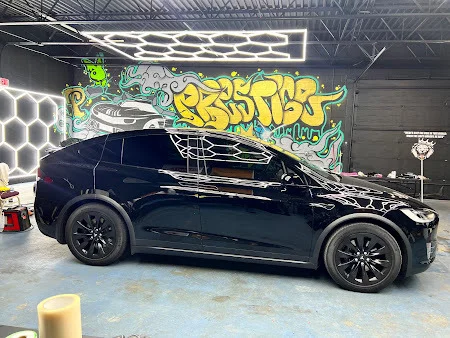
Michigan winters are no joke. Salt-covered roads, constant slush, and repeated freeze-thaw cycles make vehicle surfaces extremely vulnerable to corrosion. Every winter storm brings more salt, and with it, a higher risk of rust and long-term paint damage. Ceramic coating has quickly become a trusted solution for Michigan drivers looking to protect their vehicle’s exterior from these exact threats. It’s not just about making your car shine, it’s about forming a durable, invisible barrier that resists salt, grime, and chemical corrosion during the harshest driving conditions. This blog explores how ceramic coating helps defend against road salt and rust, compares it with other protection options, and explains why choosing the right installer in Michigan matters more than ever. Understanding the Impact of Road Salt on Vehicles Why Road Salt Is Used in Michigan Winters Michigan’s snow-covered roads are treated with road salt for one reason, safety. Salt lowers the freezing point of water, which helps melt snow and ice faster. This makes roads less slippery and reduces the risk of accidents. While it improves traction, it comes with a serious downside for vehicle owners. Salt spreads across highways, neighborhoods, and side streets. It sticks to underbodies, wheel wells, and rocker panels. Once it lingers on your car, it begins attacking exposed metal and paint, especially when mixed with water and oxygen. How Salt Accelerates Rust and Paint Deterioration Salt acts as a corrosion catalyst. When it settles on your vehicle, it breaks down protective layers like clear coat or factory paint. Over time, moisture seeps into small cracks or chips in the paint, triggering oxidation that turns into rust. This process is even faster in Michigan due to frequent temperature swings. Melting snow followed by freezing nights causes expansion and contraction in the paint surface. That movement opens tiny pathways for salt and moisture to penetrate. What starts as a little paint bubbling can quickly spread beneath the surface, weakening the structure and leaving your vehicle vulnerable. That’s where ceramic coating comes in, forming a hydrophobic, chemically resistant shield that keeps salt from settling in the first place. How Ceramic Coating Acts as a Protective Barrier What Ceramic Coating Is and How It Bonds to Paint Ceramic coating is a liquid polymer applied to a vehicle’s paint surface. Once cured, it forms a semi-permanent bond with the clear coat. Unlike wax or sealants, which sit on top of the paint and break down quickly, ceramic coating chemically fuses with the surface. That bond creates a slick, durable layer that lasts for years. This coating becomes a shield between the vehicle and the outside world. It resists water, chemicals, dirt, and road grime. More importantly for Michigan drivers, it stands up to road salt, snow, and moisture. The hydrophobic effect helps water bead and roll off, making it harder for salt to cling to the surface. Blocking Moisture and Salt Before It Reaches the Surface Moisture is the gateway to corrosion. When combined with road salt, it becomes even more aggressive. Ceramic coating seals the paint so that water and salt stay on the surface rather than penetrating tiny imperfections. Because the surface stays smoother and slicker, contaminants are less likely to bond with the paint. Washing becomes easier, and there’s less risk of abrasive grime scratching the finish during cleaning. This simple barrier effect is what helps ceramic coating stop salt-related damage before it begins. Rust Formation and Its Long-Term Effects The Science Behind Corrosion in Cold Climates Rust forms through a chemical reaction between iron, water, and oxygen. In Michigan winters, this process speeds up. Salt doesn’t directly cause rust, but it acts as an electrolyte that accelerates the reaction. Once rust begins, it spreads beneath the surface and eats away at metal panels. Cold climates make this worse. Temperature swings between freezing nights and daytime thawing allow more moisture to sneak into cracks. This movement causes expansion, which opens up small flaws in the paint and speeds up the oxidation process. Without protection, a vehicle exposed to these conditions can start showing rust in just a few winters. Areas of the Vehicle Most Vulnerable to Rust Some areas are more prone to corrosion than others. These include: Undercarriage and suspension parts Wheel wells and fender arches Lower door edges and rocker panels Hood and trunk seams Underside of the rear bumper These areas are hit hardest by road spray, snow slush, and salt buildup. Once rust takes hold, repair costs increase quickly. Preventing this damage before it starts is more cost-effective than correcting it later. Ceramic coating doesn’t just protect the glossy surfaces. It can also be applied to vulnerable areas for added resistance against Michigan’s harshest road conditions. Benefits of Ceramic Coating in Michigan’s Winter Climate Resistance to Harsh Chemicals and Salt Brine Michigan roads are treated with more than just plain salt. Crews often use salt brine—a mixture of salt and water—and other de-icing chemicals. These solutions are designed to stick to the pavement and last longer. Unfortunately, they stick to your vehicle too. Ceramic coating adds a layer of chemical resistance that standard waxes and sealants can’t match. It helps shield your paint from harsh mixtures that would otherwise sit on the surface and break down the clear coat. The less contact your paint has with these corrosive elements, the better your chances of avoiding rust and long-term damage. Easier Cleaning After Snow and Ice Melt After a snowstorm, it doesn’t take long for a white crust of salt to build up on your car. For unprotected vehicles, removing this buildup can require aggressive scrubbing or repeated washes. That friction puts your clear coat at risk. With ceramic coating, dirt, slush, and road salt have a harder time bonding to the surface. Most of the mess rinses off with light pressure or a basic touchless wash. That means faster cleanups and fewer chances for micro-scratches caused by wiping or brushing away salt. Maintaining Gloss and Surface Integrity All Year Winter roads are hard on
When Is the Best Time to Install Window Tinting in Drayton Plains, MI Vehicles
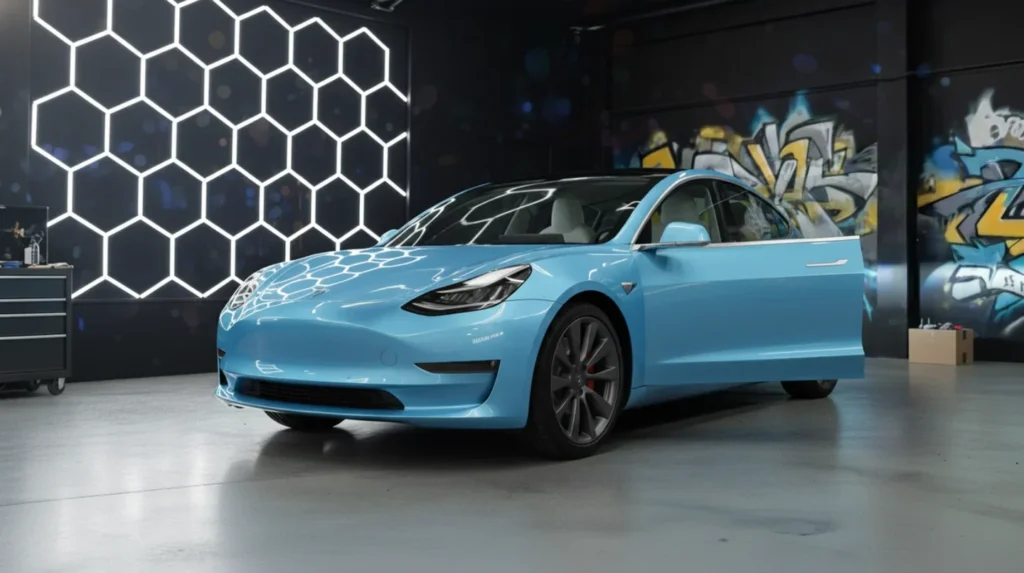
If you’re considering window tinting for your vehicle, you might wonder whether timing really matters. Can’t you just schedule it whenever it’s convenient? While convenience certainly plays a role, the timing of your Window Tinting in Drayton Plains, MI 48329 installation can significantly affect the quality of results, the curing process, and your overall satisfaction with the finished product. Prestige Protective Films has installed thousands of tinting systems across all seasons, and they’ve learned that certain times of year offer distinct advantages for both the installation process and long-term performance. Understanding seasonal factors helps you make a more informed decision about when to schedule your tinting appointment. Temperature, humidity, and even installer availability vary throughout the year, each affecting different aspects of the process. Prestige Protective Films guides clients through these considerations to ensure they choose timing that aligns with both optimal installation conditions and their personal needs. Let’s explore how different seasons impact window tinting and when you should plan your installation for the best possible outcome. Why Timing Matters for Window Tinting Installation Window tinting isn’t like getting an oil change where timing is largely irrelevant. The installation process involves adhesives that require specific conditions to cure properly, and environmental factors directly influence how well the film bonds to your glass. Temperature and humidity levels affect everything from how easily the film applies to how quickly it reaches full adhesion strength. Beyond the technical aspects, timing affects practical considerations like appointment availability and how quickly you can use your vehicle normally after installation. During peak seasons, quality installers book up weeks in advance, while slower periods offer more flexibility in scheduling. The weather conditions you’ll face immediately after installation also matter, as extreme temperatures or precipitation can interfere with the curing process if your vehicle isn’t properly protected. Spring Installation Benefits Spring emerges as one of the best times for window tinting installation in Michigan. As temperatures moderate and humidity levels stabilize, conditions become nearly ideal for film application and curing. The mild weather creates a comfortable environment for installers to work precisely and allows adhesives to cure at optimal rates. Scheduling Car Window Tinting in spring means you’re ready before summer’s intense heat arrives. Your vehicle will already have full UV and heat protection in place when temperatures soar in June and July. This proactive approach is smarter than waiting until you’re already suffering through hot drives and then having to wait weeks for an appointment during the busy summer season. Moderate Temperatures Aid Curing The adhesive bonding process works best within a specific temperature range, typically between 40 and 80 degrees Fahrenheit. Spring weather in Drayton Plains regularly falls within this ideal zone, allowing the adhesive to cure steadily without the complications that extreme temperatures can cause. When temperatures are too cold, curing slows dramatically and can take weeks instead of days. When it’s too hot, the adhesive can cure too quickly on the surface while remaining wet underneath, potentially causing bubbles or imperfect adhesion. Spring’s moderate conditions let everything progress naturally, resulting in a stronger, more durable bond between film and glass. Preparing for Summer Heat By the time Michigan’s summer heat peaks, your tinted windows will have fully cured and be ready to deliver maximum heat rejection. You won’t spend those first brutal heat waves driving an uncomfortably hot vehicle while waiting for an installation appointment. Instead, you’ll immediately enjoy cooler interior temperatures and reduced air conditioning load. Getting tinted in spring also means the film has time to fully cure before facing the stress of intense summer sun. A fully cured film is more resistant to bubbling, peeling, and other issues that can occur when newer installations face extreme conditions. Window Tinting Services scheduled in spring essentially give your tint a grace period to reach full strength before the most challenging season arrives. Summer Window Tinting Considerations Summer is the busiest season for window tinting, and for good reason. People are acutely aware of the heat and UV exposure when they’re sweating in their vehicles. However, this peak demand creates scheduling challenges, and summer conditions present some technical considerations that spring and fall installations avoid. Quality installers like Prestige Protective Films book solid during summer months, often with wait times of two to four weeks. If you need tinting during this season, schedule well in advance rather than expecting same-week availability. The high demand reflects everyone’s desire for cooler vehicles, which means you’re competing with many other drivers for appointment slots. Longer Curing Times in Heat Ironically, while people seek tinting to escape heat, hot weather can complicate the installation process. Extremely high temperatures can cause adhesive to cure unevenly, potentially creating visible imperfections. Installers must work quickly and precisely, and even then, the film may take longer to reach optimal clarity as trapped moisture evaporates more slowly in intense heat. After summer installation, you’ll need to be especially careful about the curing period. Avoiding rolled-down windows becomes more challenging when temperatures soar, but disturbing the film before it’s fully set can cause permanent problems. A Window Tinting Shop Drayton Plains, MI will provide specific guidance about curing precautions during hot weather to ensure your installation succeeds despite the challenging conditions. Fall as an Ideal Installation Window Many professionals consider fall the absolute best time for window tinting installation. The weather conditions mirror spring’s advantages with moderate temperatures and stable humidity, but with an additional benefit: installer availability improves as the summer rush subsides. September through early November offers that sweet spot where conditions remain favorable for installation and curing, but demand has dropped from summer peaks. You’ll find easier scheduling, potentially shorter wait times, and installers who can give your vehicle the attention it deserves without the pressure of back-to-back appointments that characterize summer schedules. Comfortable Conditions and Availability Fall weather in Drayton Plains provides nearly perfect installation conditions. Temperatures typically range from the 50s to 70s, humidity stays moderate, and you’re unlikely to encounter the extreme heat or cold that
How Window Tinting in Orchard Lake Village Can Reduce Glare While Driving
Have you ever found yourself squinting behind the wheel, struggling to see clearly because the sun is blasting directly into your eyes? Glare while driving isn’t just annoying; it’s genuinely dangerous, causing momentary blindness that can lead to accidents. Window Tinting in Orchard Lake Village, MI offers a practical solution to this common problem, filtering harsh light before it reaches your eyes while maintaining the clear visibility you need for safe driving. Prestige Protective Films has helped countless local drivers eliminate this hazard, transforming their daily commutes from uncomfortable ordeals into pleasant experiences. The unique geography of Orchard Lake Village, with its proximity to water and open spaces, creates specific glare challenges that drivers in other areas might not face as intensely. Morning and evening commutes often involve driving directly into the sun, while reflections from the lakes can create blinding conditions at unexpected angles. Prestige Protective Films understands these local conditions and recommends tinting solutions specifically suited to address the glare patterns drivers encounter in this area. Let’s explore exactly how window tinting tackles glare and why it’s become essential for comfortable, safe driving. Understanding Driving Glare and Its Dangers Glare occurs when bright light overwhelms your eyes’ ability to adapt, temporarily impairing vision. While your eyes naturally adjust to different light levels, the adjustment takes time. During those critical seconds of impaired vision, you’re essentially driving blind, unable to see pedestrians, brake lights, or road hazards clearly. The danger extends beyond simple discomfort. Studies show that glare contributes to thousands of accidents annually, particularly during sunrise and sunset hours when the sun sits low on the horizon. Your natural instinct when facing glare is to squint, look away, or use your hand to block light. All of these reactions take your attention away from the road and reduce your field of vision. Window tinting addresses the problem at its source, filtering excessive light before it ever reaches your eyes. Types of Glare Drivers Experience Direct glare comes from looking toward bright light sources like the sun, oncoming headlights, or streetlights. This type is most problematic during dawn and dusk when the sun aligns with road directions. Your visor helps somewhat, but it blocks your view of traffic signals and road signs, creating its own safety concerns. Reflected glare bounces off surfaces before reaching your eyes. Wet roads, snow, other vehicles, and especially water bodies create mirror-like surfaces that redirect intense light. In Orchard Lake Village, the numerous lakes and ponds create reflection glare from multiple angles throughout the day. This reflected light can be just as blinding as direct sunlight but comes from unexpected directions that visors can’t block. Car Window Tinting filters both types of glare equally, providing comprehensive protection regardless of the light’s path. How Window Tinting Technology Blocks Glare Window tinting doesn’t simply darken your windows. Modern films use sophisticated technology to selectively filter different wavelengths of light. The goal is to reduce the intensity of bright light that causes glare while maintaining visibility of important visual information like road signs, signals, and other vehicles. Quality tinting films contain multiple layers, each serving specific purposes. Some layers block UV radiation, others filter infrared heat, and specialized layers reduce visible light intensity. This multi-layer approach means the film can dramatically reduce glare without making your windows so dark that night driving becomes dangerous. The technology has advanced tremendously over the past decade, offering glare protection that earlier generations of tint couldn’t provide. Light Filtration Properties of Tinting Films Think of window tinting as sunglasses for your car. Just as quality sunglasses reduce glare without distorting colors or making everything too dark to see, automotive window films filter problematic light while preserving visual clarity. The films work by absorbing and reflecting portions of the light spectrum that cause the most glare issues. Different tint technologies handle this filtration in various ways. Dyed films absorb light, metalized films reflect it, while ceramic films use nano-particle technology to block specific wavelengths. A Window Tinting Shop Orchard Lake Village, MI can explain which technology works best for your specific glare concerns. Ceramic films typically provide the best glare reduction without excessive darkness, making them ideal for drivers who want maximum protection with optimal visibility. Specific Glare Challenges in Orchard Lake Village The Orchard Lake Village area presents unique glare challenges that residents know all too well. The concentration of water bodies means reflective glare is a constant factor, not just an occasional annoyance. During summer months, the sun’s angle combined with smooth water surfaces creates intense reflected light that can be completely blinding. Major roads in the area often run east-west, meaning morning and evening commutes frequently involve driving directly into the sun. The tree-lined streets provide some natural relief, but gaps in the canopy create sudden transitions from shade to intense direct light. These rapid changes force your eyes to constantly readjust, causing fatigue even on short drives. Window Tinting Services address these specific local conditions by filtering the intense peaks of light while allowing your eyes to maintain consistent adaptation levels. Seasonal Glare Variations in Michigan Winter glare in Michigan is particularly brutal. Snow cover turns the entire landscape into a reflective surface, bouncing sunlight from every direction. The low angle of winter sun compounds the problem, sitting right at eye level for much of the day. Ice on roads adds another reflective surface that creates unpredictable glare patterns. Summer brings different but equally challenging conditions. The sun reaches higher angles but shines more intensely. Humidity can create atmospheric conditions that scatter light, producing a general hazy glare even when you’re not looking directly at the sun. Prestige Protective Films recommends tinting that handles both seasonal extremes, providing year-round glare protection regardless of weather conditions. Water Reflection from Local Lakes Living near Orchard Lake, Upper Straits Lake, and the other local water bodies means dealing with reflection glare that inland drivers rarely encounter. Water creates nearly perfect mirror surfaces when calm, redirecting intense sunlight at angles that