
Which Types of Window Tinting Films Work Best for Four Towns, MI Cars
Choosing the right window tinting film for your vehicle isn’t as simple as picking a shade you like. Michigan’s weather patterns, with harsh winters and hot summers, demand specific performance characteristics from automotive films. Window Tinting in Four Towns, MI 48327 requires careful consideration of film technology, durability, and functionality to ensure your investment performs well year-round. Prestige Protective Films has helped numerous local drivers navigate these choices, and understanding your options makes all the difference in satisfaction and longevity. The market offers several distinct categories of window tinting films, each with unique properties and performance characteristics. Some prioritize affordability while others focus on maximum heat rejection or clarity. Prestige Protective Films works with clients to match film types to their specific needs, driving habits, and budget considerations. What works perfectly for one driver might not be ideal for another, which is why understanding the differences between film technologies is essential before making your decision. Understanding Window Tinting Film Categories Window tinting technology has evolved significantly over the past two decades. Early films were simple dyed layers that provided basic privacy and some heat reduction. Today’s options incorporate advanced materials and multi-layer construction that deliver superior performance across various metrics. The five main categories are dyed, metalized, carbon, ceramic, and hybrid films. Each type uses different materials and construction methods to achieve its performance characteristics. Price points vary considerably between categories, with dyed films being most affordable and ceramic representing premium options. However, higher cost doesn’t always mean better choice for every situation. Your specific needs, vehicle use, and priorities should guide your selection rather than simply choosing the most expensive option available. Dyed Window Tinting Films Dyed films represent the most basic and budget-friendly window tinting option. These films use multiple layers of dye sandwiched between an adhesive layer and a protective top coat. The dye absorbs solar energy, reducing the amount of light and heat entering your vehicle. While dyed films are the most affordable option, they offer legitimate benefits for certain applications. They provide excellent privacy and glare reduction, making them suitable for drivers primarily concerned with aesthetics and basic sun protection. The non-reflective finish gives vehicles a sleek appearance without the mirror-like quality of some other film types. For older vehicles or situations where budget is the primary constraint, dyed films deliver reasonable performance at an accessible price point. Best Applications for Dyed Films Dyed films work well for vehicles that spend most time in garages or covered parking. If your primary goal is privacy rather than maximum heat rejection, these films accomplish that objective effectively. They’re also appropriate for rear and side windows when combined with more advanced films on the windshield and front windows. However, dyed films do have limitations. They tend to fade over time as the dye breaks down from UV exposure. Heat rejection capabilities are modest compared to other technologies. For Four Towns, MI drivers who park outdoors regularly or take long summer road trips, the limitations of dyed films become more apparent. In these situations, investing in more advanced technology typically provides better long-term value. Metalized Window Tinting Films Metalized films incorporate tiny metallic particles within the film layers. These metal particles reflect heat and UV rays away from your vehicle rather than absorbing them like dyed films. This reflection mechanism provides significantly better heat rejection and longer-lasting performance. The metallic content makes these films extremely durable and scratch-resistant. They maintain their appearance and effectiveness much longer than dyed films, often lasting the entire life of your vehicle with proper care. Car Window Tinting with metalized films also strengthens windows slightly, providing minor added safety benefits. The reflective quality gives vehicles a distinctive, shiny appearance that many drivers appreciate. How Metalized Films Perform in Michigan Weather Michigan’s climate presents unique challenges with temperature extremes ranging from subzero winters to hot, humid summers. Metalized films handle these variations well, maintaining their integrity through freeze-thaw cycles that can stress inferior films. The heat reflection properties prove particularly valuable during Four Towns summers when vehicle interiors can reach dangerous temperatures. By reflecting solar energy before it enters your car, metalized films keep interiors substantially cooler, reducing air conditioning load and improving fuel efficiency. One consideration is that metallic content can interfere with radio signals, GPS, and mobile phone reception. For drivers who rely heavily on these technologies, this potential drawback might outweigh the benefits of metalized films. Carbon Window Tinting Films Carbon films represent a significant step up in technology and performance. Instead of dyes or metals, these films use carbon particle technology to block heat and UV rays. The carbon content provides excellent heat rejection without the signal interference issues associated with metalized films. Window Tinting Services often recommend carbon films for drivers seeking a balance between performance and cost. These films don’t fade like dyed options, and they block infrared heat more effectively than either dyed or metalized varieties. The matte finish provides a sophisticated appearance without excessive reflection. Carbon films also offer superior UV blocking, protecting both passengers and interior materials from harmful radiation. Advantages for Daily Commuters If you spend significant time in your vehicle commuting around Four Towns and surrounding areas, carbon films deliver noticeable comfort improvements. The enhanced heat rejection means your air conditioning doesn’t work as hard, which saves fuel and reduces wear on your climate control system. Carbon films also reduce glare more effectively than basic dyed films, making driving safer and less fatiguing during sunrise and sunset commutes. The UV protection preserves your dashboard, seats, and other interior components from fading and cracking. Over years of ownership, this preservation of interior condition maintains your vehicle’s value and appearance. Prestige Protective Films has found that daily commuters consistently report high satisfaction with carbon film performance. Ceramic Window Tinting Films Ceramic films represent the pinnacle of window tinting technology. These premium films use nano-ceramic particles that provide maximum heat rejection without any metal content. The ceramic construction blocks up to 80% of infrared heat while
How Window Tinting in Pontiac, MI Protects Car Interiors from Sun Damage
Have you ever sat in your car on a scorching summer day and felt like you were stepping into an oven? That intense heat isn’t just uncomfortable; it’s quietly destroying your vehicle’s interior every single day. Michigan summers can be surprisingly harsh on vehicles, and if you’re driving around Pontiac without proper protection, your car’s interior is taking a beating from UV rays and excessive heat. Window Tinting in Pontiac, MI has become an essential investment for car owners who want to preserve their vehicle’s value and comfort. At Prestige Protective Films, experts understand that protecting your car’s interior goes far beyond aesthetics; it’s about safeguarding one of your most significant investments from invisible but relentless sun damage. The reality is that most people don’t realize how much damage is occurring until they notice faded seats, cracked dashboards, or warped trim pieces. Prestige Protective Films specializes in helping Pontiac residents combat these issues before they become costly problems. Every minute your car sits in the sun, harmful ultraviolet radiation penetrates through untinted windows, breaking down the molecular structure of your interior materials. Think of it like leaving a book in direct sunlight; over time, the colors fade and the material becomes brittle. Your car’s interior faces the same fate, but window tinting creates a protective barrier that can significantly extend the life of everything inside your vehicle. Understanding UV Radiation and Its Impact on Vehicle Interiors Let’s talk about the invisible enemy: ultraviolet radiation. The sun emits three types of UV rays, but UVA and UVB are the primary culprits behind interior damage. UVA rays make up about 95% of the UV radiation reaching your car and can penetrate standard glass easily. These rays are responsible for that gradual fading you see on your dashboard and seats. UVB rays, while partially blocked by standard glass, still contribute to material degradation and can cause more immediate damage. Your car’s interior is essentially a collection of different materials, each responding differently to UV exposure. Leather seats develop cracks and lose their suppleness. Fabric upholstery fades and weakens at the fiber level. Plastic dashboard components become brittle and develop those unsightly cracks that seem to appear out of nowhere. Even your steering wheel, which you touch every day, degrades from constant sun exposure. Car Window Tinting acts as sunscreen for your vehicle, blocking up to 99% of these harmful rays before they can do their damage. The Science Behind Automotive Window Tinting So how does a thin film actually protect your interior? Quality window tint contains multiple layers designed to filter out specific wavelengths of light. The technology has come a long way from the basic dyed films of decades past. Modern tinting films incorporate metalized particles, carbon compounds, or ceramic materials that reflect and absorb UV radiation and infrared heat. When sunlight hits tinted windows, the film’s composition either reflects the harmful rays back outside or absorbs them within the film itself, preventing them from reaching your interior surfaces. This process happens instantaneously and continuously, providing 24/7 protection whenever your car is exposed to sunlight. The beauty of professional-grade tinting is that it accomplishes this protection while still maintaining visibility and not interfering with your driving safety. Types of Window Tint Films Available Not all tint are created equal, and understanding your options helps you make an informed decision. Dyed films are the most economical option and provide basic UV protection along with privacy. They work by absorbing solar energy but may fade over time. Metalized films incorporate tiny metallic particles that reflect heat and UV rays, offering superior protection and durability. However, they can sometimes interfere with electronic signals. Carbon films represent a significant upgrade, providing excellent heat rejection without signal interference and a matte finish that many prefer. At the premium end, ceramic films offer the best protection available. These films use nano-ceramic particles to block UV rays and infrared heat while maintaining crystal-clear visibility. Prestige Protective Films can guide you through these options based on your specific needs and budget. Protecting Your Dashboard and Upholstery from Fading Your dashboard takes the brunt of sun exposure, sitting directly in the line of fire every time you park. Without protection, dashboard fading typically becomes noticeable within two to three years of regular sun exposure. The synthetic materials used in modern dashboards are particularly vulnerable because they’re designed for flexibility and specific textures, both of which deteriorate under constant UV bombardment. Similarly, upholstery fading isn’t just an aesthetic issue; it indicates material breakdown at a molecular level. Whether you have cloth seats, leather, or synthetic materials, UV exposure causes the dyes to break down and the fibers or material structure to weaken. A Window Tinting Shop Pontiac, MI service addresses this by creating that crucial barrier. You’re essentially adding years to your interior’s lifespan with a single installation that continues working every day without any additional effort on your part. Leather Seat Protection Through Tinting If you’ve invested in a vehicle with leather interior, you know it requires special care. Leather is particularly susceptible to sun damage because it’s a natural material that dries out when exposed to heat and UV radiation. This drying process leads to cracking, especially in high-contact areas like the driver’s seat bolster and seat bottom. Once leather cracks, there’s no reversing the damage; you’re looking at expensive reupholstery or replacement. Professional window tinting significantly slows this degradation process. By reducing UV exposure and keeping interior temperatures lower, tinted windows help leather maintain its natural oils and flexibility. Prestige Protective Films has seen countless customers preserve their leather interiors in showroom condition for years longer than typical thanks to quality tinting. It’s like giving your leather seats a protective shield that works around the clock. Temperature Control and Interior Preservation Here’s something most people don’t consider: heat itself is destructive, even without UV radiation. When your car sits in the sun, interior temperatures can reach 140-160 degrees Fahrenheit. At these temperatures, adhesives soften, plastics warp, and materials
How Window Tinting Helps Protect Car Interiors in Sylvan Lake
Your car’s interior faces constant threats from environmental factors, especially in Sylvan Lake. Whether you’re driving along the waterfront or parked outside during those long Michigan summer days, your vehicle’s dashboard, seats, and trim are under attack from harmful UV rays and intense heat. This is where auto window tinting becomes more than just an aesthetic upgrade; it’s a protective shield for your investment. Prestige Protective Films has seen countless vehicles roll through their doors with sun-damaged interiors that could have been prevented. The good news? Understanding how window tinting works can help you make an informed decision about protecting your car’s interior before damage occurs. Let’s explore the science and benefits behind this protective measure. Understanding the Climate Challenge in Sylvan Lake Sylvan Lake presents unique challenges for vehicle owners. The area experiences significant seasonal temperature swings, with summer temperatures often climbing into the high 80s and 90s. When your car sits in direct sunlight, interior temperatures can skyrocket to 140 degrees Fahrenheit or higher. This isn’t just uncomfortable; it’s destructive. The reflection from the lake itself can intensify UV exposure, creating a double-whammy effect on your vehicle’s interior. Even on cloudy days, up to 80% of UV rays penetrate through untreated glass. This constant bombardment accelerates aging and deterioration of interior materials. Residents who park outdoors near the lake or in uncovered driveways face even greater exposure risks. The Science Behind Interior Protection UV Ray Blocking Technology Quality Window Tinting in Sylvan Lake, MI works by incorporating special materials that block up to 99% of harmful ultraviolet radiation. These aren’t just darkened films; they’re engineered barriers containing multiple layers of polyester, dyes, and metals. The molecular structure of these films absorbs and reflects UV-A and UV-B rays before they penetrate your vehicle’s interior. Think of window tint as sunscreen for your car. Just as you wouldn’t spend hours at Sylvan Lake Beach without sun protection, your car’s interior shouldn’t face constant UV exposure unprotected. The technology has advanced significantly over the past decade, with ceramic and carbon-based films offering superior protection without interfering with electronic signals or visibility. Heat Reduction Benefits Beyond UV protection, quality films reject solar heat. Premium tint can block up to 60% of heat-producing infrared radiation. This means your car stays cooler, your air conditioning doesn’t work as hard, and interior materials aren’t subjected to extreme temperature stress. Have you ever touched your steering wheel after your car has been sitting in the sun? That scorching heat is exactly what damages materials over time. Prestige Protective Films explains that heat rejection also translates to improved fuel efficiency. When your AC doesn’t have to work overtime to cool down a superheated interior, your engine isn’t working as hard, which means less fuel consumption during those hot summer months. Preventing Fabric and Leather Damage Color Fading and Cracking Your seats are particularly vulnerable to sun damage. Fabric upholstery fades noticeably when exposed to direct sunlight, losing its original vibrancy and appearing worn out prematurely. Leather is even more susceptible; it can dry out, crack, and develop an aged appearance in just a few years without protection. An Auto Window Tinting Shop Sylvan Lake professionals will tell you that the investment in quality film pays for itself by preserving your seats. Original interior condition significantly impacts your vehicle’s value. Those considering long-term ownership especially benefit, as maintaining interior quality becomes increasingly important over time. Dashboard and Trim Protection Warping and Material Degradation Dashboards bear the brunt of sun exposure. The combination of heat and UV radiation causes plastic and vinyl components to become brittle and warp. You’ve probably seen vehicles with cracked dashboards or faded trim pieces. This damage is almost entirely preventable with proper window tinting services. Modern dashboards contain sensitive electronic components and displays. Excessive heat can affect the functionality of navigation systems, digital gauges, and infotainment screens. By maintaining cooler interior temperatures, window tinting extends the life of these expensive technological features. Prestige Protective Films notes that dashboard replacement can cost thousands of dollars, making protective film installation a smart preventive measure. Privacy and Security Benefits While protection from sun damage is the primary benefit, there’s an added layer of security that comes with tinted windows. Darker films make it difficult for potential thieves to see valuables left inside your vehicle. This deterrent factor shouldn’t be overlooked, especially when parking in public areas around Sylvan Lake. Privacy matters to many drivers who use their vehicles as mobile offices or transport valuable equipment. A window tinting shop near me Sylvan Lake can help you select the right shade that balances privacy with legal requirements. Michigan law has specific regulations about tint darkness, particularly for front windows, so professional installation ensures compliance. Long-Term Value Preservation Resale Value Considerations When it comes time to sell or trade your vehicle, interior condition plays a crucial role in determining value. Potential buyers immediately notice faded seats, cracked dashboards, and sun-damaged trim. These cosmetic issues signal neglect and can reduce offers by hundreds or even thousands of dollars. Car window tinting represents preventive maintenance that protects your investment from day one. Vehicles with well-maintained interiors command premium prices in the used car market. Prestige Protective Films has helped countless customers preserve their vehicle’s showroom appearance for years, directly contributing to stronger resale values when the time comes to upgrade. Choosing the Right Tint for Your Vehicle Not all window films are created equal. The market offers everything from basic dyed films to advanced ceramic options. Dyed films are budget-friendly but offer limited heat rejection and can fade over time. Metallic films provide good heat rejection but may interfere with radio and GPS signals. Ceramic films represent the premium choice, offering superior heat and UV rejection without signal interference. Your choice depends on your budget, priorities, and how long you plan to keep your vehicle. For those living in Sylvan Lake long-term, investing in quality ceramic film makes financial sense. The initial cost difference becomes negligible when spread across years
What Are the Best Types of Window Tinting for Cars in Waterford Township?
Selecting the right window tinting for your vehicle requires understanding available technologies and how they perform in Waterford Township’s distinct Michigan climate. The region experiences dramatic seasonal variations from hot, humid summers to harsh, cold winters that test film durability in ways milder climates never do. Your tinting choice needs to withstand temperature extremes, maintain adhesion through freeze-thaw cycles, and continue delivering protection despite environmental stressors unique to this area. Quality Window Tinting in Waterford Township, MI must address these specific local challenges to provide lasting value and performance throughout years of ownership. Multiple auto window tinting technologies exist, each offering different performance characteristics, longevity expectations, and price points that suit various needs and budgets. Understanding fundamental differences between ceramic, metallized, carbon, dyed, and hybrid films helps you make informed decisions aligned with your protection priorities and vehicle usage patterns. Professionals at Prestige Protective Films work extensively with local residents who need guidance navigating these options to identify solutions delivering genuine value rather than choosing based solely on price or marketing claims. Understanding Waterford Township’s Climate and Tinting Needs Waterford Township sits in Oakland County, Michigan, experiencing a humid continental climate characterized by warm summers and cold, snowy winters. This climate profile creates specific demands on window films that differ significantly from what films face in more temperate or consistently warm regions. The temperature range from summer highs in the 80s to winter lows frequently below freezing stresses film materials and adhesive systems through constant expansion and contraction cycles. The seasonal variation means films must perform across a broader temperature spectrum than in regions with more stable climates. Summer brings UV exposure and heat that require rejection capabilities, while winter cold tests adhesive performance and film flexibility. Films that work adequately in consistently warm climates may fail prematurely in Waterford Township if they can’t handle the thermal cycling and winter conditions present here throughout the year. Seasonal Temperature Variations and UV Exposure Summer temperatures in Waterford Township regularly reach the 80s with occasional 90-degree days during heat waves. These temperatures create substantial solar heat gain through vehicle windows, making heat rejection an important film performance characteristic. UV exposure during summer months reaches high levels, causing interior fading and skin damage risks that quality films need to address through comprehensive UV blocking. The humidity during summer months adds another dimension to environmental stress on films. High moisture levels test adhesive systems and can contribute to edge lifting or bubbling in inferior films. Quality films specifically rated for humid conditions maintain their adhesion and appearance despite moisture exposure that would compromise lesser alternatives. Understanding these summer challenges helps explain why film selection matters significantly for long-term satisfaction. Winter Conditions and Film Durability Requirements Waterford Township winters bring subfreezing temperatures, snow, ice, and the road salt that creates corrosive conditions affecting vehicles. Window films must remain flexible at low temperatures rather than becoming brittle and cracking, a failure mode that affects some lower-quality films in cold climates. The adhesive systems must also maintain bond strength as temperatures drop, preventing edge lifting that can occur when adhesives lose grip in extreme cold. The freeze-thaw cycling that occurs during winter and transitional seasons creates repeated stress as materials expand and contract. Films engineered for four-season climates incorporate materials and adhesives specifically formulated to handle these cycles without degrading. This durability requirement eliminates some film options that work adequately in milder climates but fail prematurely when subjected to Michigan winter conditions. Resources available through Window Tinting Shop in Waterford Township, MI facilities help residents understand which films demonstrate proven performance in local climate conditions. Ceramic Window Tinting: Premium Performance Ceramic window films represent the highest-performance category available for automotive applications. These films utilize nano-ceramic particle technology to achieve superior heat rejection, UV blocking, and optical clarity without any metal content. The ceramic construction provides inherent stability across wide temperature ranges, making these films particularly well-suited for Waterford Township’s climate extremes. While ceramic films carry premium pricing, their performance advantages and extended service life often justify the investment for vehicle owners prioritizing quality and longevity. The technology behind ceramic films involves distributing microscopic ceramic particles throughout multiple film layers. These particles scatter and reflect infrared radiation responsible for heat sensation while allowing visible light to pass, enabling excellent heat rejection even at lighter tint levels. The ceramic material doesn’t fade, discolor, or degrade under UV exposure like some alternatives, maintaining consistent performance throughout service lives typically exceeding 10 years. Heat Rejection Without Metal Interference One of ceramic films’ most significant advantages involves achieving exceptional heat rejection without metal content that might interfere with electronic signals. Modern vehicles rely heavily on GPS navigation, cellular connectivity, satellite radio, and other wireless technologies. Metallized films can create signal interference affecting these systems, while ceramic films allow complete signal transparency with no degradation of electronic performance. The heat rejection performance of premium ceramic films often exceeds that of metallized alternatives despite containing no reflective metal layers. This superior performance comes from ceramic particles’ ability to target and reject infrared wavelengths specifically responsible for heat sensation. The result is cooler cabin temperatures, reduced air conditioning demands, and improved comfort without any compromise to vehicle technology functionality. Specialists at Prestige Protective Films can demonstrate the measurable heat rejection differences between ceramic and other film technologies. Long-Term Durability in Michigan Weather Ceramic films’ material composition provides exceptional durability in challenging climates like Waterford Township’s. The ceramic particles remain completely stable across temperature extremes from well below zero to over 150 degrees Fahrenheit, maintaining their optical and thermal properties regardless of environmental conditions. This stability ensures films perform as effectively in their tenth year as they did when new, unlike dyed films that fade or metallized films that can develop corrosion in harsh conditions. The adhesive systems used with premium ceramic films are specifically formulated for demanding applications and climates. These pressure-sensitive adhesives maintain bond strength through hundreds of freeze-thaw cycles, resist moisture penetration that causes bubbling, and remain flexible enough to accommodate thermal
When Auto Protection Is Most Needed During Michigan’s Winter Season
Michigan winters don’t just challenge your driving skills. They launch a full-scale assault on your vehicle that continues for months, inflicting damage that accumulates season after season. The combination of road salt, freezing temperatures, ice accumulation, and moisture cycling creates conditions that destroy unprotected vehicles faster than almost any other climate. What looks like minor surface issues in November becomes serious structural damage by March if you don’t take preventive action, making Auto Protection in Waterford Township, MI essential for preserving your investment. Prestige Protective Films has witnessed the devastating effects Michigan winters have on vehicles that enter the season without proper protection. The damage isn’t always visible immediately, which tricks owners into thinking their vehicles are holding up fine. Winter damage works beneath the surface, establishing footholds that become expensive problems months or even years later. Professional auto window tinting and comprehensive surface protection create defensive barriers that intercept winter’s attack before it reaches vulnerable materials, preserving both the appearance and structural integrity that Michigan’s harsh season constantly threatens. Understanding Michigan Winter’s Assault on Vehicles Michigan’s winter weather combines multiple destructive forces that work together to accelerate vehicle deterioration. It’s not just the cold or just the snow but the specific combination of conditions that makes this region particularly harsh on automobiles. Understanding what your vehicle faces helps explain why protection isn’t optional but essential for anyone planning to keep their car long-term. The freeze-thaw cycles that occur throughout Michigan winters create particularly damaging conditions. Water penetrates small cracks and crevices, then expands when it freezes. This expansion forces openings wider, allowing more moisture to penetrate deeper. Each cycle compounds the damage, turning minor surface imperfections into major structural problems over just a few seasons. Road Salt and Corrosion Damage Road crews apply thousands of tons of salt to Michigan roads each winter. While this keeps roads safer for driving, it creates a corrosive environment that attacks every exposed metal surface on your vehicle. Salt doesn’t just sit on the surface but dissolves in moisture to form a solution that actively breaks down protective coatings and oxidizes metal. The corrosion process accelerates in the exact conditions Michigan winters provide. Daytime temperatures melt snow and ice, creating salt solutions that splash onto your vehicle’s undercarriage, wheel wells, and lower body panels. Nighttime freezing concentrates these solutions, making them even more corrosive. This daily cycle throughout winter means your vehicle experiences constant chemical attack for four or five months straight. Unprotected vehicles develop rust in predictable patterns. Rocker panels corrode first, followed by wheel arches and door bottoms. The undercarriage experiences widespread deterioration that compromises brake lines, fuel lines, and structural members. By the time rust becomes visible on the exterior, extensive damage already exists underneath where you can’t see it. Ice and Snow Accumulation Effects Snow and ice don’t just obscure your vehicle’s surfaces. As they melt and refreeze, they create abrasive conditions that scratch paint and wear down protective coatings. The act of brushing heavy snow off your vehicle creates thousands of micro-scratches that dull the finish and compromise clear coat integrity. Ice dams that form in wheel wells and around trim pieces trap moisture against your vehicle for extended periods. This prolonged contact allows salt solutions to work continuously on paint and metal rather than being washed away. The trapped moisture also prevents these areas from drying out, maintaining corrosive conditions even during stretches of dry weather. Pre-Winter Protection: The Critical Window Timing makes an enormous difference in how well protection performs throughout winter. Applying protective coatings and films before winter conditions arrive ensures they bond properly and cure completely, maximizing their defensive capabilities when the harsh season begins. Waiting until winter has already started compromises protection effectiveness significantly. Auto Protection Shop Waterford Township locations experience their busiest periods in October and November for good reason. Vehicle owners who understand winter’s threats prepare proactively rather than reactively. This advance preparation provides maximum protection value because the barriers are fully established before exposure to damaging conditions begins. Why October and November Matter Most Most protective coatings require specific temperature and humidity conditions for proper application and curing. Ceramic coatings need temperatures above 50 degrees for optimal bonding and several days of moderate weather for complete curing. Paint protection film adheres best when surfaces are warm and dry, conditions that become increasingly rare as winter approaches. Applying protection in October or November means it’s fully cured and bonded before the first snowfall. The protective barrier reaches maximum strength and can defend against salt exposure from day one of winter. Waiting until December or January means working around weather conditions that compromise application quality and dealing with contamination already present on vehicle surfaces. Pre-winter application also allows time to address any existing damage through paint correction before protection is applied. Surface imperfections, existing rust spots, and contamination should be remedied before protective layers are installed. Rushing protection application during winter means sealing in existing problems rather than starting with a clean, restored surface. Paint Protection Against Salt and Chemical Exposure Your vehicle’s paint provides the first defense against corrosion, but factory finishes aren’t designed to withstand the concentrated salt exposure Michigan winters deliver. Clear coat deteriorates under constant chemical attack, creating openings where salt solutions reach the base paint and eventually bare metal. Once rust starts, it spreads underneath intact paint, making surface repairs ineffective. Auto Protection Services that include paint protection film or ceramic coating create additional barriers between salt and your vehicle’s finish. These protective layers are specifically engineered to resist chemical attack, maintaining their integrity throughout winter’s assault. By preserving paint system integrity, they prevent the rust that would otherwise establish itself during the season. Undercarriage Vulnerability Your vehicle’s undercarriage takes more salt exposure than any visible surface. Every drive through winter roads covers brake components, suspension parts, exhaust systems, and structural members with corrosive salt spray. These components have minimal factory protection because they’re considered sacrificial surfaces that will eventually need replacement. Prestige Protective Films works
What Types of Auto Protection Are Most Effective in Pontiac, MI Climates
Michigan’s weather, particularly in Pontiac, can be extremely challenging for vehicles. With freezing winters, heavy snowfalls, and hot, humid summers, cars are exposed to conditions that can significantly impact their exterior and overall longevity. Auto Protection Services in Pontiac, MI, are designed to help vehicle owners safeguard their cars from the harsh elements, minimize damage, and maintain resale value. Understanding which types of protection are most effective allows drivers to make informed decisions and maximize their investment. Vehicle owners in Pontiac face a unique combination of weather-related threats. From salt-induced corrosion in winter to UV-related fading in summer, a car’s exterior faces constant stress. Professional auto protection services, such as paint protection films and ceramic coatings, provide a robust shield that preserves both the appearance and functionality of your vehicle. Prestige Protective Films offers solutions tailored to the specific climate challenges in Michigan, ensuring your vehicle stays in optimal condition year-round. Understanding Pontiac, MI Weather Impacts on Vehicles How Cold Winters Affect Your Vehicle Freezing temperatures can cause metal and paint to contract and expand, leading to cracks and potential rust formation. Road salt, commonly used to melt ice, accelerates the corrosion process. Auto protection shop in Pontiac, MI offer protective layers that prevent direct exposure to these harmful elements, maintaining your car’s exterior integrity and appearance even in extreme cold. Summer Heat and UV Exposure Concerns Hot, sunny days in Pontiac can fade paint and damage interior surfaces. UV rays can penetrate unprotected surfaces, reducing aesthetic appeal and accelerating material wear. Applying professional coatings shields vehicles from UV damage, ensuring that both paint and trim remain vibrant throughout the season. Essential Types of Auto Protection for Michigan Vehicles Paint Protection Films for Maximum Shielding Paint protection films act as a durable, transparent barrier over your vehicle’s exterior. They protect against scratches, stone chips, and minor abrasions, especially from winter debris or road salt. Films also simplify cleaning, making it easier to remove dirt, snow, and ice without damaging the paint underneath. For Michigan drivers, this service is particularly crucial during snowy months. Ceramic Coatings for Long-Lasting Protection Ceramic coatings bond with the vehicle’s paint to create a hydrophobic surface that repels water, dirt, and contaminants. Unlike traditional wax, ceramic coatings are long-lasting and highly resistant to environmental damage. They reduce the likelihood of stains from bird droppings or acid rain and minimize the effects of daily wear, ensuring the vehicle remains pristine over time. Additional Auto Protection Options for Pontiac Climates Liquid Polymer Sealants Liquid polymer sealants provide a cost-effective protective layer for vehicles, enhancing paint durability and gloss. Though not as robust as ceramic coatings, they offer temporary protection against pollutants, rain, and minor abrasions. These sealants are ideal for car owners looking for moderate protection without a full professional installation. Window Tinting for Heat and UV Reduction Window tinting reduces interior heat buildup and blocks harmful UV rays, which protects the vehicle’s cabin and reduces sun damage. In Pontiac’s sunny summer months, professionally applied tints help maintain a cooler interior, preserve upholstery, and reduce glare for safer driving. Preparing Your Vehicle Before Applying Protection Cleaning and Decontamination Steps Before any protection is applied, it’s important to clean the vehicle thoroughly. Dirt, salt, and other contaminants can interfere with protective layers, reducing their effectiveness. Using professional-grade cleaning and decontamination ensures a smooth surface, allowing coatings and films to adhere properly. Addressing Existing Damage Scratches, chips, and rust spots should be repaired before applying protective films or coatings. Repairing minor imperfections prevents further damage and ensures the protective layer works efficiently. Professionals evaluate the vehicle and recommend appropriate pre-treatment measures, enhancing long-term durability. Maintaining Auto Protection Throughout the Year Seasonal Cleaning and Care Tips Even with protective layers, vehicles require regular cleaning to remove salt, dirt, and environmental pollutants. Gentle washing and soft microfiber cloths prevent scratches, while regular snow and ice removal protect the protective film or coating. Proper maintenance ensures longevity and performance of the applied protection. Inspections and Reapplications Over time, protective coatings can wear, and films may develop small imperfections. Routine inspections allow vehicle owners to address these issues early. Professional reapplications or touch-ups restore the protective benefits, ensuring consistent performance against Pontiac’s fluctuating climate conditions. Benefits of Professional Auto Protection Services Preserving Vehicle Appearance and Value Investing in auto protection Pontiac, MI services maintains the visual appeal of your vehicle while preventing long-term damage. This directly contributes to higher resale value and reduces the need for costly repairs or repainting. Enhancing Driving Comfort and Safety Some protection services, like window tints and coatings, improve driving comfort by reducing glare, heat, and UV exposure. Vehicles remain more comfortable, safer, and easier to maintain, especially during challenging weather conditions. Choosing the Right Auto Protection Service in Pontiac Importance of Professional Installation Proper installation is crucial for maximizing the benefits of protective films and coatings. Certified technicians ensure even coverage, proper adhesion, and correct application methods, preventing issues like air bubbles or peeling. Local Expertise Matters Service providers familiar with Pontiac’s climate can recommend solutions that address specific regional challenges. Their experience ensures the vehicle receives protection that is both practical and durable, suitable for winter snow, road salt, and summer heat. Conclusion Michigan’s unpredictable climate makes investing in auto protection a necessity for vehicle owners in Pontiac. Auto Protection Services Pontiac, MI, provide solutions that safeguard your car against winter corrosion, summer UV damage, and daily wear and tear. By understanding the most effective types of protection, preparing your vehicle properly, and maintaining coatings or films year-round, drivers can preserve their vehicle’s appearance, value, and functionality. Prestige Protective Films offers professional services designed to meet these specific needs, ensuring vehicles stay in top condition regardless of the season. Exploring how harsh Michigan winters impact vehicle surfaces can further highlight the importance of proactive auto protection throughout the year. Frequently Asked Questions How often should I clean my vehicle with protection applied? Vehicles should be cleaned weekly to remove salt, dirt, and grime, which can accumulate
How Michigan Winters Increase the Need for Auto Protection in Keego Harbor
Winter in Michigan is harsh, unpredictable, and relentless. For residents of Keego Harbor, MI, the cold, snow, and ice create conditions that put vehicles at serious risk. From frozen windshields to corrosion from road salt, the season can accelerate wear and tear on any car. This is why Auto Protection Services Keego Harbor, MI have become essential. By investing in professional-grade solutions from Prestige Protective Films, vehicle owners can safeguard their cars against damage, maintain their appearance, and reduce long-term repair costs. In this article, we will explore why winter protection is crucial and how professional services can help. Understanding Michigan’s Harsh Winter Conditions Michigan winters are not like mild winters elsewhere. They combine freezing temperatures, heavy snowfall, and ice, which all challenge a vehicle’s durability. Cars are exposed to constant temperature swings that can stress the body, paint, and glass. Slush, sleet, and freezing rain make it even more complicated, increasing the chances of scratches, dents, and rust. Understanding these winter conditions helps car owners realize why proactive protection is not optional. The combination of cold, moisture, and chemical road treatments makes professional protection highly valuable for anyone driving in Keego Harbor. Temperature Fluctuations and Ice Formation Michigan winters are notorious for wild temperature swings. One day might be slightly above freezing, causing snow to melt, and the next day temperatures plunge, creating ice. This freeze-and-thaw cycle puts stress on paint, metal, and glass, making your vehicle more prone to cracks and chips. Even minor exposure can worsen over time, causing noticeable wear. Ice on windshields and side mirrors is particularly damaging because scraping it improperly can leave scratches, further emphasizing the importance of professional protection. Snow, Sleet, and Freezing Rain Impacts Heavy snow, freezing rain, and sleet coat vehicles in layers of ice that are difficult to remove. This accumulation puts extra pressure on delicate areas like side mirrors, wipers, and glass surfaces. Over time, repeated exposure to these elements can weaken the car’s exterior and compromise its integrity. Snow and ice are not just inconveniences; they are active threats to your vehicle’s condition. Winter protection services help mitigate these risks, making your car more resilient to the seasonal elements. Common Winter Auto Damages in Keego Harbor Cars in Keego Harbor face several typical winter damages that can be costly if not addressed. These damages are often a result of continuous exposure to ice, snow, and road salt. They range from visible paint chips to hidden rust in the undercarriage. Understanding these common issues highlights why Auto Protection Shop Keego Harbor, MI are a wise investment. Professional protection can prevent minor problems from escalating into major repairs. Paint and Finish Deterioration The combination of ice, snow, and road debris constantly challenges your vehicle’s paint. Chips and scratches appear more easily in cold conditions, and these small imperfections can quickly worsen if left untreated. Once the paint is compromised, the metal underneath becomes exposed to moisture, leading to rust. Even a short period of neglect can make the difference between a pristine exterior and one that requires costly bodywork. Paint protection films applied professionally can preserve your car’s appearance throughout winter. Corrosion from Road Salt and Chemicals Road salt is essential for keeping roads safe, but it is extremely damaging to vehicles. Salt accelerates corrosion, especially on undercarriages, wheel wells, and exposed metal parts. If left unprotected, rust can weaken structural components and reduce vehicle lifespan. Rustproofing and undercoating services are specifically designed to combat this type of damage, providing a protective barrier against salt and moisture. Investing in professional services now prevents extensive damage later. Windshield and Glass Vulnerabilities Windshields and windows face constant threats in winter. Ice scraping, sudden temperature changes, and road debris can lead to cracks and chips. These small damages, if left unaddressed, can grow over time and become dangerous. Window protection films act as a shield, reducing the risk of cracks and making it easier to remove ice without damaging the glass. With professional installation from Prestige Protective Films, drivers can ensure their glass surfaces remain strong throughout the season. The Role of Auto Protection Services in Keego Harbor, MI Winter protection is more than just a preventative measure; it is a comprehensive strategy to maintain a car’s integrity. Auto Protection Services Keego Harbor, MI offer solutions that cover every vulnerable part of your vehicle. From paint and glass to the undercarriage, professional services are designed to withstand the challenges of Michigan winters. Choosing professional solutions ensures that your car receives the right materials, proper application, and long-lasting protection. Protective Films for Paint Preservation Protective films are invisible shields that guard your vehicle’s paint from chips, scratches, and chemical exposure. They absorb impacts from road debris and prevent surface deterioration caused by winter conditions. Unlike simple waxes, these films provide full coverage and durable protection that can last for years. By applying protective films, vehicle owners in Keego Harbor can maintain a flawless finish even after months of harsh winter weather. Window Tinting and Glass Protection Window tinting and protective films are not just for aesthetics. They minimize glare on icy roads, reduce UV damage, and protect against chips and cracks. High-quality coatings also prevent moisture from seeping into minor scratches, keeping glass surfaces safe throughout the season. Professionally installed window films make your car easier to maintain and enhance safety in winter driving conditions. Rustproofing and Undercoating Rustproofing and undercoating form an essential defense against corrosion caused by road salt and moisture. Professional services ensure complete coverage, protecting the undercarriage, wheel wells, and lower body panels. This layer of protection significantly extends the lifespan of your vehicle while preventing costly structural damage. Proper undercoating is a key step in winter preparation for any Keego Harbor driver. Benefits of Professional Installation with Prestige Protective Films While DIY solutions may seem tempting, professional installation offers advantages that cannot be replicated at home. Prestige Protective Films provides expertise, high-quality materials, and precision application to maximize the effectiveness of every protection service. Proper installation ensures
How Michigan’s Weather Affects Window Tinting Longevity in Waterford
Michigan’s weather is unpredictable, and anyone living in Waterford knows how drastically the seasons can change. From freezing winters covered in snow to humid summers filled with sunshine, your car goes through quite a bit throughout the year. These climate shifts affect not just the engine or paint but also the longevity of your window tint. Your car’s tint does more than make your ride look stylish. It provides UV protection, enhances privacy, and helps regulate cabin temperature. But the durability of that tint largely depends on how well it can withstand Michigan’s demanding seasonal changes. Understanding how these factors play a role helps car owners maintain their investment and keep their vehicles looking sharp year after year. Understanding Michigan’s Ever-Changing Seasonal Conditions How Winter Temperatures Affect Tint Adhesion Michigan winters bring intense cold, ice buildup, and road salt. When the temperature drops, the tint film and glass can expand and contract differently, which may strain the adhesive that holds the tint in place. If the film was applied in a non-controlled environment, small air gaps or bubbles can form as the adhesive stiffens in the cold. Over time, these small imperfections can turn into visible peeling around the edges. Why Summer Sunlight Can Fade Tint Film On the opposite end, Michigan summers are hot and humid, often reaching temperatures that can stress low-quality films. The prolonged exposure to ultraviolet rays can cause cheaper tint to fade or discolor, reducing both their effectiveness and aesthetic appeal. Using high-performance films designed for UV resistance ensures the tint maintains its rich color and clarity, even during the brightest months of the year. How Temperature and Humidity Affect Tint Longevity Impact of Rapid Temperature Changes Michigan’s climate is unpredictable, with mornings starting at freezing levels and afternoons warming up significantly. These temperature swings can cause the tint and adhesive to expand and contract repeatedly, eventually leading to cracks or separation between the film and glass. Premium-grade tint used in Car Window Tinting Waterford, MI are specifically engineered to resist this thermal stress, maintaining flexibility and strength across seasons. Moisture and Humidity’s Role in Tint Wear Humidity is another major factor in Michigan’s weather. Excess moisture can accumulate around the edges of the tint, especially if your vehicle is parked outdoors frequently. Over time, this can weaken the adhesive bond and create a cloudy or hazy appearance on the glass. Choosing a tint with moisture-resistant adhesives helps prevent this issue and maintains clarity even in humid summer conditions. Environmental Factors That Contribute to Tint Damage How Road Salt and Chemicals Cause Wear During winter, Michigan roads are treated with salt and de-icing chemicals to prevent accidents. While necessary for safety, these chemicals can splash onto your vehicle and accumulate near window edges. When not cleaned regularly, they corrode window seals and damage the tint film over time. Frequent washing during winter months helps protect the tint from chemical breakdown. Temperature Extremes and Their Hidden Effects Michigan’s weather often transitions from freezing snow to bright sun within a single day. This constant shift can stress your car’s window materials and tint adhesive, making the film more prone to bubbling or peeling. Parking in sheltered or shaded areas when possible helps reduce exposure to these fluctuating conditions and extends the lifespan of your tint. Selecting the Right Tint for Michigan’s Climate Advantages of Ceramic Tint Technology Ceramic tint is one of the most durable options available for Michigan drivers. It provides outstanding UV protection, heat rejection, and clarity without interfering with your car’s radio or GPS signals. Because of its nanoceramic construction, it resists fading, cracking, and bubbling far better than dyed or metallic films. For residents in Waterford, ceramic tint offers consistent performance throughout both cold winters and hot summers. Comparing Dyed and Metalized Films Dyed tint are often more affordable, but they fade faster and provide less heat protection. Metalized tint are stronger but can sometimes interfere with electronic devices inside your car. Ceramic films strike the perfect balance, offering durability, clarity, and efficiency without drawbacks. This makes them a popular choice for drivers who want year-round performance and longevity. Why Professional Installation Is Crucial for Waterford Drivers Proper Tint Curing in Cold Environments Tint application in cold weather requires expertise. When installed in low temperatures, the adhesive may not cure properly, leading to bubbles or loose edges. Professional installers use climate-controlled facilities to maintain the right temperature and humidity during installation. This ensures the tint bonds correctly to the glass and remains intact through the winter months. Preventing Contamination During Installation Dust, dirt, or moisture can ruin a tint job if not handled properly. Professional services in Car Window Tinting Waterford, MI take precautions to eliminate any airborne particles during installation. This precision ensures a clean, bubble-free finish that will stand up to Michigan’s tough environmental conditions for years. Seasonal Maintenance Tips for Window Tint Longevity Cleaning Practices for Every Season Maintaining your tint starts with proper cleaning. Always use ammonia-free cleaners and a soft microfiber cloth to avoid scratching or damaging the film. In winter, avoid using ice scrapers directly on tinted surfaces. In summer, wipe off dust, pollen, and grime frequently to prevent micro-scratches that can dull the tint’s appearance over time. Best Parking and Storage Habits Where you park your vehicle plays a big role in tint preservation. Whenever possible, park in shaded or covered areas to protect against intense sunlight. During winter, avoid parking too close to snowbanks or salted roads, as this can lead to moisture and chemical buildup around the tint edges. Consistent parking habits make a noticeable difference in tint durability. Recognizing Signs of Tint Wear and Damage Common Visual Indicators of Tint Aging If your tint begins to fade, bubble, or peel, these are signs the film has reached the end of its lifespan. Fading usually indicates that UV protection has weakened, while bubbling signals that the adhesive has started to fail. Addressing these issues early prevents further deterioration and maintains visibility while driving.
Window Tint and Electronic Device Interference: What You Should Know
Window tint is more than just a cool look for your ride—it’s a practical upgrade that offers UV protection, temperature control, and added privacy. But in today’s hyper-connected world, there’s one common question people often ask before getting their windows tinted: Can window tint interfere with my electronic devices? It’s a valid concern, especially with all the tech we use while driving—GPS, cell phones, Bluetooth, and keyless entry systems. This article breaks down everything you need to know about how window tint interacts with electronic devices. We’ll cover the different types of tint materials, how metal-based tint can affect signals, and what you can do to avoid potential issues. Spoiler alert: most modern tint won’t mess with your gadgets, especially if you’re working with experts like Prestige Protective Films. Whether you’re a tech enthusiast, a rideshare driver, or just someone who doesn’t want dropped calls during your commute, this guide will clear up the fog around window tint and signal interference. Let’s get into it. What Causes Electronic Interference from Window Tint? First, let’s get a bit technical—but not too technical. Some window tint contains a thin layer of metal particles. These particles help reflect heat and UV rays, making your cabin cooler and protecting your interior. The downside? Metal can block or disrupt radio frequency (RF) signals—the kind your GPS, phone, and key fob rely on to function properly. Think of it like this: if you wrap your phone in aluminum foil, the signal drops, right? That’s essentially what happens with certain metallic window tint. The interference isn’t always noticeable, but in vehicles where antennas are embedded in the windows or when using sensitive wireless devices, it can become a problem. In contrast, ceramic and carbon-based window tint don’t contain metal, so they don’t interfere with electronic signals. That’s one reason why Prestige Protective Films often recommends these advanced materials to tech-savvy drivers. They provide all the benefits of metalized tint without the connectivity headaches. Types of Window Tint and Their Impact on Electronics Window tint comes in several varieties—dyed, metalized, carbon, and ceramic. Dyed tint is the most basic and least likely to cause interference, but it also offers the least protection. Metalized tint is more efficient at heat rejection, but is the most likely to cause signal issues. These can affect AM/FM radio, GPS, mobile data, and even Bluetooth pairing. Carbon tint offers a great balance. They reject heat well, don’t fade over time, and—best of all—they don’t mess with electronic signals. You get a cooler, more comfortable interior without giving up reliable GPS directions or streaming your favorite podcast. It’s a win-win for modern drivers. Ceramic tint is the cream of the crop. They block UV rays and heat at a high level while maintaining perfect clarity and zero interference. Prestige Protective Films specializes in ceramic window tint installations, ensuring you get the top-tier protection and performance that won’t compromise your gadgets. How to Tell If Your Tint Is Causing Interference Not sure if your tint is the culprit behind dropped calls or slow GPS? One way to find out is to test your electronics before and after tinting. If you notice your devices work fine before the installation and suddenly act up afterward, your tint might be to blame, especially if it’s a metallic film. You might notice that GPS takes longer to load or constantly re-routes. Bluetooth might cut out, or your phone signal might drop in places it never did before. These are red flags that your window film may be interfering with radio signals. Pay special attention if you drive a vehicle where antennas are embedded in rear or side windows—metallic tint can mess with them. If you’re experiencing any of these issues after a recent tint job, bring your car to a professional like Prestige Protective Films. Their experts can assess whether your tint is affecting your devices and recommend solutions, like switching to a non-metallic film or adjusting placement. Can Window Tint Affect GPS Accuracy? Yes, metallic window tint can reduce GPS signal accuracy. Since GPS relies on satellite signals to triangulate your position, anything that obstructs those signals can throw off your location. This is especially true in urban areas with tall buildings or dense traffic where signals are already weaker. Drivers may notice that their GPS lags behind their actual position or fails to update directions in real-time. It’s like trying to navigate with an outdated map—it’s frustrating and potentially dangerous if you’re depending on it for real-time traffic updates or unfamiliar routes. To avoid these headaches, always opt for ceramic or carbon window tint when your vehicle relies heavily on GPS technology. At Prestige Protective Films, we understand how essential navigation is, and we ensure your tint doesn’t compromise that functionality. Does Window Tint Affect Cell Phone Reception? Cell phone reception can also take a hit if you’ve got a metallic tint. Most mobile phones rely on nearby towers that send signals through radio frequencies. If you’re wrapped inside a signal-blocking bubble, like your car’s metal body and a metalized tint, those frequencies can weaken or bounce off, degrading your call quality or data speed. Imagine trying to have a conversation in a tunnel—your words echo and get distorted. That’s what your phone experiences when signal strength is weakened by metallic window tint. It may not drop the call completely, but you’ll likely deal with static, lag, or that annoying delay when voices overlap. To keep your calls crisp and your 5G fast, choose a high-performance ceramic tint. Prestige Protective Films offers a range of ceramic tint solutions that not only preserve your phone’s signal strength but also give you added heat and UV protection. Can Window Tint Interfere with Key Fob Signals? In some cases, yes—metallic window tint can interfere with keyless entry systems. Key fobs communicate with your vehicle using short-range radio frequencies. If your car is fully wrapped in signal-blocking tint, the communication might be delayed or blocked entirely, especially when trying to
Can You Wash Your Car After Window Tint? Here’s the Actual Timeline
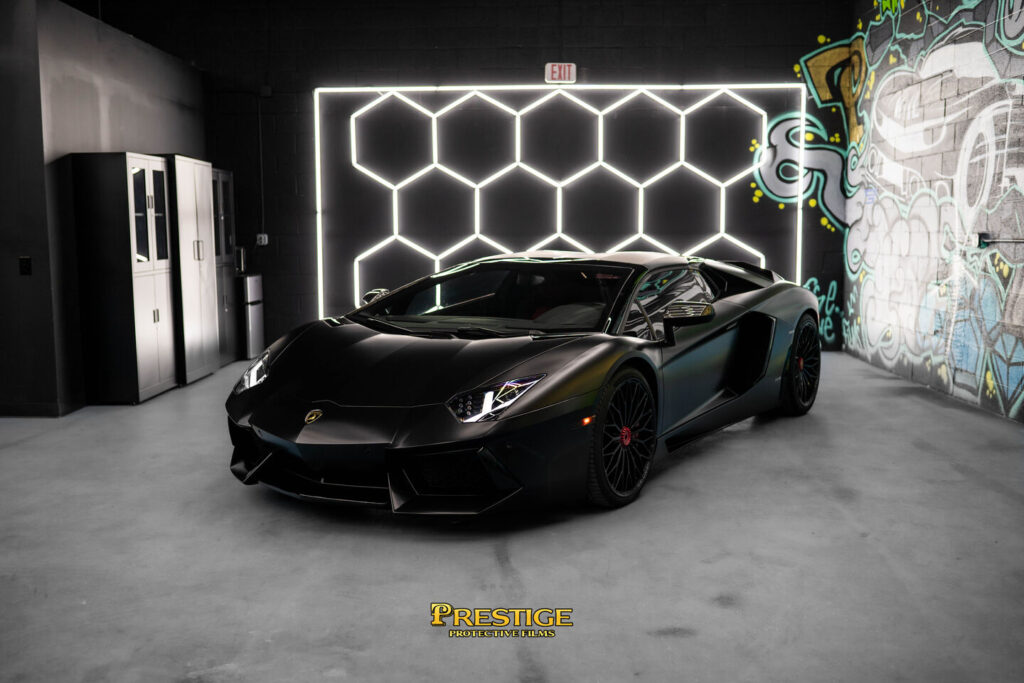
Fresh tint looks great, then the first dusty commute hits. The question comes up fast: can you wash your car after window tint? The short answer is yes, but the exterior body, exterior glass, and interior glass each follow a different timeline. Prestige Protective Films’ certified window tinting team in Waterford Township fields this question daily. This guide breaks down exactly when each surface is safe to clean. Key Takeaways Exterior body and paint: Safe to wash immediately. Tint film is applied to the interior glass, not the body. Exterior glass: A water-only rinse is fine after 1 to 2 days. Wait 3 to 5 days before soap or pressure washing. Interior glass: Wait 5 to 7 days before cleaning with any product. Dust with a dry cloth only until then. Rolling windows down: Wait at least 48 hours, and preferably 3 to 5 days. Stretch that to a full week in cold Michigan weather. Windshield wipers: Safe to use right away. Keep use light for the first 24 to 48 hours. Automatic car washes: Skip brush-style tunnel washes for a week. Touchless washes are a reasonable option after 48 hours. Cleaning products: Use a pH-neutral, ammonia-free glass cleaner and a microfiber towel once the curing period ends. How Long Does Window Tint Take To Cure? Window tint feels dry within an hour or two, but that only means the surface moisture has evaporated. The adhesive underneath needs far longer to fully bond with the glass. Most professional-grade film reaches a full cure in 2 to 7 days, per how long window tint actually takes to dry. That timeline depends on the film type and the weather at install. Why the Adhesive Needs Time to Bond Installers use a mounting solution to slide the film into position before it sets. That solution has to work its way out from under the film first. Only then does the pressure-sensitive adhesive lock fully in place. Disturbing the glass with water, pressure, or motion too early can shift the film. It can also trap moisture underneath, leaving a visible haze. Small water pockets or tiny bubbles right after install are normal. They usually clear on their own within a few days. That trapped moisture is part of the curing process, not a sign of a bad install. It is only a concern if the pockets grow instead of shrinking. How Michigan Weather Changes the Cure Time Waterford Township summers speed curing along, since heat helps the mounting solution evaporate faster. Michigan winters slow it down considerably, and damp air can stretch a full cure toward 7 days. A car tinted in December or January should plan around the longer end of that range. Glass temperature matters as much as air temperature. A cold garage or an overnight frost can trap moisture longer. The same install would cure faster on a warm afternoon. Can You Wash the Outside of Your Car Right After Tint? Yes, in most cases. Window film is installed on the inside surface of the glass. That means it has no contact with exterior dirt, road salt, or wax. The exterior body panels can be washed the same day as installation without any risk to the tint itself. Washing the Exterior Paint and Body A gentle hand wash or a soft-cloth touchless wash is fine for the paint, hood, and bumpers right away. Skip anything that involves scrubbing near the window edges during the first few days. Water forced under the film’s edge is the actual risk, not the exterior wash itself. Michigan winters bring road salt and slush that build up fast on paint and lower panels. Rinsing that off promptly protects the paint without putting the tint at risk. Salt left sitting on paint for weeks causes far more long-term damage than an early wash ever could. Rinsing the Outside of the Tinted Windows Safely The outside surface of a tinted window can usually be rinsed with plain water within a day or two. That is safe because the film sits on the inside of the glass, not the outside. Waiting 3 to 5 days before soap, pressure washing, or scrubbing directly on the glass is still the safer call. That gap keeps water and chemicals from creeping around the window’s edge seals while the adhesive is still setting. A soft cloth and a light hose stream handle most exterior grime without added risk during that window. When Can You Clean the Inside of Tinted Windows? Interior glass needs the most patience of any surface on the car. Cleaning products, damp cloths, and even stray moisture can interrupt curing if they land on the film too early. Most installers recommend waiting a full 5 to 7 days before touching interior tinted glass with anything but a dry cloth. Ceramic film often needs slightly longer than standard dyed tint, thanks to its thicker, multi-layer construction. Anyone comparing ceramic tint versus standard dyed film should expect a few extra days before cleaning the interior normally. Nano-ceramic particles add heat rejection, but that extra material also means more mounting solution needs to escape first. A dry microfiber towel is fine for dusting interior glass at any point during curing, since it adds no moisture. Save liquid cleaners and any real wiping pressure for after the curing window closes completely. How Long Should You Wait Before Rolling the Windows Down? Keep the windows up for at least 48 hours after installation, and preferably 3 to 5 days. Rolling a window down too soon drags the still-soft film across the rubber seal and into the door. That friction is one of the most common causes of lifted edges and creased film during the first week. If a window absolutely must move before the cure finishes, lower it no more than an inch. Raise it back up immediately afterward. That small adjustment causes far less damage than a full roll-down. Waiting out the full week removes the risk entirely. That is the safer