
Daily drivers take more abuse than any other vehicle category. They accumulate road debris strikes during every highway commute, park in open lots through every Michigan season, absorb UV and heat across every summer workday, and face road salt and brine through every Michigan winter from November through March. The paint chips, swirl marks, interior fading, and clear coat damage that accumulate across five years of daily driving in Oakland County are not inevitable. They are largely preventable with the right protection strategy applied at the right time.
Auto protection in Waterford, MI covers a range of services that work individually and in combination to defend every surface of a daily driver vehicle from the specific threats this region delivers. Paint Protection Film, ceramic coating, window tinting, and vinyl wraps each address different categories of damage, and understanding what each one does, when to apply it, and how to maintain it makes the difference between a vehicle that looks its age and one that holds its condition and value across years of hard daily use. This guide covers the full picture for Waterford daily drivers, from the basics of each protection service through the right protection strategy for different vehicle types and budgets. Prestige Protective Films serves Oakland County daily drivers with the full range of professional auto protection services, and the recommendations here reflect what genuinely works for vehicles driven hard in Michigan’s demanding climate.
Why Daily Drivers in Waterford Need a Different Protection Strategy
Not every vehicle needs the same protection approach. A weekend-only sports car that spends most of its life in a climate-controlled garage faces different threats from a vehicle covering 15,000 miles per year on M-59, Telegraph Rd, and I-75. Daily drivers accumulate damage through sheer exposure volume in ways that occasional-use vehicles simply do not.
What Daily Driving in Oakland County Actually Does to Your Vehicle
Every commute on Oakland County roads deposits a measurable amount of damage on an unprotected vehicle. Highway gravel and road debris from M-59 and I-75 create rock chips on front panels at speeds that produce visible paint damage. Brake dust and iron fallout from heavy commuter traffic embed into paint over months of use, creating a rough, contaminated surface that accelerates paint oxidation. Pollen from Michigan’s intense spring and early fall seasons settles on every horizontal surface and bonds to paint when left for more than a day or two in warm weather. Parking lot door dings, shopping cart contact, and the ordinary physical contact of daily vehicle use all compound across years of ownership.
How Michigan Seasons Compound the Damage
Michigan’s four distinct seasons multiply the damage categories that daily drivers accumulate. Summer delivers UV, heat, and humidity that fade interiors and degrade unprotected paint surfaces. Fall brings heavy leaf debris and organic contamination that sits on paint and glass. Winter delivers road salt and brine in quantities that accelerate corrosion on any unprotected painted or metal surface. Spring comes with the combination of pollen, rain, and the residual salt contamination that accumulates through winter thaw cycles. A daily driver in Waterford, MI faces all four seasonal damage categories across every twelve months of ownership, which is why auto protection strategies that address the full year rather than just summer perform better over the long run.
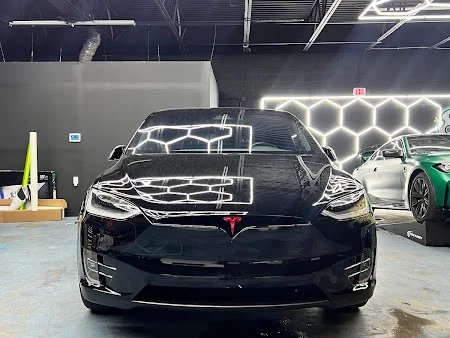
The Four Core Auto Protection Services Every Daily Driver Should Know
Professional auto protection covers four primary service categories that complement each other across different damage types and vehicle surfaces.
Paint Protection Film for Daily Drivers
Paint Protection Film Waterford, MI is a clear thermoplastic urethane film applied directly to the painted surfaces of a vehicle. It is the only product that puts a real physical barrier between your factory paint and the road debris, parking lot contact, and environmental contamination that daily driving produces in volume.
What PPF Does and Why Daily Drivers Need It
PPF absorbs rock chip impacts before they reach the paint. Highway debris at commuting speed that would leave white gouges in unprotected factory clear coat hits the film instead and either leaves no visible mark or leaves a light surface scuff that heals itself with ambient heat. The self-healing topcoat on premium PPF products from XPEL means that the minor surface scratches that accumulate during daily parking lot use gradually disappear during warm Michigan afternoons rather than building up permanently on the paint surface.
For daily drivers, the math on PPF is straightforward. A single rock chip repair on a hood or front bumper runs 50 to 150 dollars at a body shop. A front-end PPF package that prevents dozens or hundreds of those chips across a five to ten year installation lifespan pays back through damage avoidance alone, without even accounting for the resale value preservation benefit of delivering a vehicle with factory-fresh front paint rather than a chipped and touched-up front end.
Ceramic Coating for Waterford Daily Commuters
Ceramic coating shop in Waterford, MI is a liquid polymer that chemically bonds to the clear coat of a vehicle and creates a hard, hydrophobic surface layer. For daily drivers, ceramic coating delivers three specific benefits that compound across every commuting day.
The hydrophobic surface makes every wash faster and more effective because contaminants bond less strongly to the ceramic layer than to bare clear coat. Water beads and rolls off, carrying loose contamination with it, rather than spreading and drying to leave water spots and residue. For daily drivers who wash their vehicles regularly but do not have time for elaborate detailing routines, the maintenance reduction from ceramic coating is immediately felt.
The chemical resistance of ceramic coating protects against bird droppings, bug splatter, tree sap, and road chemicals that etch into unprotected clear coat when left for extended periods. Daily drivers who park outdoors face these contamination events constantly, and ceramic coating provides meaningful buffering time between contact and permanent damage.
The UV protection from ceramic coating reduces the cumulative clear coat degradation that Michigan’s UV season delivers across every year of outdoor parking. Vehicles with quality ceramic coating consistently show less oxidation, fading, and surface dullness after five or more years of daily use compared to unprotected vehicles driven in identical conditions.
Window Tinting for Michigan Daily Drivers
Car Window Tinting Waterford, MI serves daily drivers as a thermal management, UV protection, privacy, and glare reduction tool that pays back on every single commute. Car protection in Waterford, MI includes window tinting as a standard recommendation for any daily driver because the cabin temperature reduction from quality ceramic film directly affects how comfortable and functional the vehicle is during Michigan’s June through August heat season.
Premium ceramic window film from XPEL blocks up to 88 percent of infrared heat, which keeps parked cabin temperatures 15 to 25 degrees cooler than untreated glass on hot Oakland County afternoons. The UV blocking of up to 99 percent prevents the cumulative interior fading and material degradation that Michigan’s sunny summers produce on unprotected dashboards, leather, and upholstery. The glare reduction benefit improves commute comfort and safety during the low sun angle conditions that Michigan winter mornings and evenings create on east-west routes through Waterford Township.
Vinyl Wraps as a Protection and Style Option
Vinyl wraps Waterford, MI cover painted surfaces with a removable film that simultaneously changes the vehicle’s appearance and protects the factory paint beneath from surface scratches, UV exposure, and light abrasion. For daily drivers who want to refresh the look of an older vehicle, protect against paint wear in high-contact areas, or achieve a color or finish change without a permanent paint commitment, vinyl wraps provide a flexible protection option that can be removed and replaced without affecting the underlying paint.
Chrome delete wraps on trim pieces protect those components from Michigan road salt corrosion while improving aesthetics. Partial wraps on high-contact zones like door edges and rocker panels add protection where daily parking lot use creates the most wear. Full color change wraps transform the vehicle’s appearance while delivering the same paint protection that PPF provides in a more comprehensive visual package.
How to Match Auto Protection to Your Daily Driving Pattern
The right auto protection strategy for a Waterford daily driver depends on how the vehicle is used, how long the owner plans to keep it, and which damage categories are most relevant to their specific commuting and parking patterns.
High-Mileage Daily Commuters
Drivers covering 20,000 or more miles per year on Oakland County highways accumulate highway debris damage, UV exposure, and seasonal contamination at the highest rate of any vehicle use profile. For these drivers, front-end PPF is the minimum meaningful protection investment because the front bumper, hood, and fenders absorb rock chip impacts continuously at highway speed. Ceramic coating over the full vehicle adds maintenance efficiency that matters when the vehicle is cleaned frequently, and ceramic window tint handles the summer cabin heat that long daily commutes make particularly relevant.
Family Vehicles and SUVs
Family vehicles carry passengers, cargo, sports equipment, and groceries across every kind of Oakland County parking lot in every Michigan season. The door edges, rear bumper top, and rocker panels of family SUVs take particularly heavy wear from loading and unloading activities that occur multiple times every day. Targeted PPF coverage on these high-contact zones adds meaningful protection without requiring a full-body installation. Rear window ceramic tint adds UV protection for rear passengers and privacy during school pickup lines and family outings. Ceramic coating over the full vehicle reduces the maintenance burden of keeping a high-use family SUV clean between washes.
Newer Vehicles in the First Year of Ownership
The single best time to install comprehensive auto protection is within the first month of owning a new vehicle. Factory-fresh paint requires no correction before PPF or ceramic coating application, which eliminates the additional cost and time of paint preparation that older vehicles almost always require. Installing protection early locks in the best possible starting condition for the full installation lifespan. Every month without protection is paint chips, UV exposure, and contamination accumulation that a first-month installation would have prevented entirely. Automotive protection in Waterford, MI applied within the first thirty days of ownership is the most cost-effective approach available for any new daily driver.
Older Daily Drivers Worth Protecting
Not every worthwhile daily driver is a new vehicle. Older vehicles with paint in reasonable condition benefit meaningfully from ceramic coating and window tinting even without PPF coverage. Ceramic coating on a five to seven year old daily driver that has been maintained reasonably well stops the accumulating damage of additional years of daily use and makes ongoing maintenance significantly easier. Window tinting adds thermal and UV protection that a five-year-old interior still benefits from for the remaining years of ownership. PPF on older vehicles requires paint correction first, which adds cost, but on vehicles with genuinely good existing paint the investment pays back in extended preservation value.
How Michigan Road Salt Affects Daily Driver Paint
Road salt and brine are the most distinctive seasonal paint damage forces in the Michigan market, and they require specific protection consideration for any daily driver in Waterford, MI.
What Road Salt Does to Unprotected Paint
Michigan roads receive heavy salt and brine treatment from November through March. During active winter weather events, salt concentration on road surfaces can reach levels that coat every painted panel of a vehicle during a single highway commute. That salt coating does not simply wash away with rain or snow. It bonds to painted surfaces through the moisture and freeze-thaw cycling that characterizes Michigan winters, and where it sits in rock chip craters or paint micro-scratches, it promotes corrosion that spreads beneath the paint surface over years of accumulation.
The rocker panels, lower door edges, wheel arches, and front bumper of a daily driver that sees Michigan winter roads accumulate salt exposure with every single commute. Unprotected vehicles parked outdoors through Michigan winters show the visible effects of this salt accumulation within three to five years of daily use. Rust bubbling beneath paint edges, clear coat lifting around chip sites, and general surface dullness from contaminated paint are all outcomes that consistent salt exposure and inadequate protection produce over time.
How PPF and Ceramic Coating Defend Against Salt Damage
PPF creates a physical barrier between road salt and the painted surface. Salt that lands on PPF cannot penetrate to the paint because the film itself is the surface the salt contacts. The film’s stain-resistant topcoat resists the bonding that makes road salt particularly damaging on bare paint, and prompt washing removes salt from the film surface without the corrosion risk that the same salt would create in paint micro-scratches or chip sites.
Ceramic coating on surfaces not covered by PPF adds chemical resistance that reduces salt adhesion on rear panels, doors, and other surfaces that road spray reaches during winter commutes. The hydrophobic properties of ceramic coating cause water-borne salt solution to bead and roll off rather than spread and dry, which reduces the concentration of salt deposited on the paint surface during and after winter drives. For Waterford daily drivers who commute through Michigan winters every year, this combination of PPF on front end and ceramic coating over the full vehicle represents the most practical and cost-effective defense against salt damage available.
The Right Protection Timeline for Daily Drivers
Timing protection installation correctly maximizes the value of every dollar invested in vehicle preservation.
When to Install PPF and Ceramic Coating
Both PPF and ceramic coating should be installed as early in the vehicle’s ownership history as possible. For new vehicles, within the first month of delivery is ideal. For recently purchased used vehicles with good existing paint, within the first few weeks of ownership before additional chips and swirl marks accumulate. Paint correction is required before either service on vehicles with existing surface defects, and the cost of that correction increases with the severity of the defects that have accumulated since purchase. The sooner protection goes on, the less correction is needed and the better the starting condition that protection locks in.
When to Add Window Tinting
Window tinting can be installed at any point in a vehicle’s ownership history without surface preparation requirements. It is equally effective on a three-year-old daily driver as on a brand new vehicle. However, scheduling window tinting alongside PPF and ceramic coating in a single comprehensive protection appointment is more efficient than booking each service separately, particularly for daily drivers whose schedules make multiple shop visits inconvenient. Prestige Protective Films handles all three services under one roof, which allows Waterford daily drivers to complete comprehensive vehicle protection in a single planned appointment rather than returning for separate bookings.
Bundling Protection Services for Better Value
Individual protection services deliver genuine value. Combined protection packages that address multiple damage categories simultaneously deliver disproportionately more value per dollar than the same services booked separately.
Why Combined Protection Packages Make Sense for Daily Drivers
The preparation steps for PPF and ceramic coating overlap significantly. Decontamination and paint correction performed before a PPF installation serve the ceramic coating that follows on the same vehicle. Scheduling both in sequence on the same appointment eliminates the duplication of preparation that booking them separately requires. Window tinting booked alongside the exterior work adds interior protection to the package without significant additional preparation overhead. The result is a comprehensive protection outcome that costs less in total than three separate appointments while delivering more complete coverage across all vehicle surfaces.
What a Complete Daily Driver Protection Package Looks Like
A complete daily driver protection package from Prestige Protective Films for a Waterford, MI vehicle typically includes front-end PPF coverage on the bumper, hood, fenders, headlights, and side mirrors. Ceramic coating is applied over the full vehicle including on top of the PPF on covered panels. XPEL ceramic window tint covers all applicable windows at legally compliant VLT levels. For daily drivers who want comprehensive coverage, rocker panel PPF, door edge coverage, and door cup protection are added as targeted extensions that address the high-contact zones that daily parking lot use wears most quickly.
Maintaining Auto Protection on a Daily Driver
Professional auto protection requires minimal maintenance to perform at its best across the full warranty period, but daily drivers who understand the right habits get significantly more long-term value from their installations.
Washing Habits That Preserve Protection
Two-bucket hand washing with pH-neutral automotive shampoo is the recommended approach for any vehicle with PPF, ceramic coating, or window tinting. The two-bucket method prevents the dirt extracted from the paint from being reapplied during subsequent wash passes, which is the primary source of the swirl marks that automatic brushes and single-bucket washing introduce over time. Automatic car washes with rotating brushes should be avoided for ceramic-coated and PPF-covered vehicles. Touchless automatic washes are a safer alternative for quick maintenance washes between professional sessions.
Seasonal Maintenance for Michigan Conditions
Michigan’s winter road salt season creates the most demanding maintenance period for daily driver protection. Washing more frequently during November through March removes salt accumulation before it has extended contact time with PPF edges and ceramic coating surfaces. A thorough post-winter decontamination wash in April removes the residual salt and iron contamination that accumulates across the full winter season. Ceramic coating maintenance booster products applied annually refresh the hydrophobic surface layer that receives the most environmental exposure, which extends the full-coat performance through additional Michigan seasons.
Common Protection Mistakes Waterford Daily Drivers Make
Waiting until visible damage appears before installing protection. Every rock chip, swirl mark, and paint fade that appears before protection goes on is permanent damage that cannot be fully reversed. Protection installed after damage requires correction first, which adds cost and never fully restores the factory condition that early installation would have preserved.
Choosing one service when two or three would address the actual damage categories. Ceramic coating alone does not stop rock chips. PPF alone does not prevent interior UV fading. Window tinting alone does not protect exterior paint. Daily drivers who choose a single service based on the most immediately obvious problem often discover the other damage categories accumulating over time in ways they did not anticipate.
Skipping professional installation to save money. DIY ceramic coating and PPF kits produce inconsistent results that professional installations do not. Contaminants trapped under DIY PPF, high spots from improperly leveled DIY ceramic coating, and bubbles in self-installed window tint all require professional removal and reinstallation that costs more than professional work from the start. Auto protection in Waterford, MI performed by certified installers at a quality shop produces results that look better from day one and last longer through Michigan’s demanding conditions.
Neglecting maintenance after installation. PPF and ceramic coating are durable but not maintenance-free. Ammonia-based cleaners degrade window tint adhesive over time. Automatic car wash brushes introduce swirl marks into ceramic-coated surfaces. Allowing bird droppings and tree sap to sit on PPF for extended periods in summer heat risks etching through the film topcoat. The small maintenance habits that protect the investment are genuinely simple and genuinely make a difference in how long the protection performs at its installed level.
Conclusion
Daily drivers in Waterford, MI face a year-round combination of road debris, seasonal contamination, UV exposure, and road salt that accumulates damage across every commuting day without protection in place. The right auto protection strategy addresses all of these damage categories through a combination of PPF for physical impact protection, ceramic coating for chemical and UV resistance, and window tinting for interior thermal management and UV blocking. Applied together at or near the start of ownership, maintained correctly through Michigan’s seasonal demands, and installed by certified professionals in a quality shop environment, this combination preserves vehicle condition and value in ways that no individual service can match alone.
For daily drivers across Waterford Township, Oakland County, Pontiac, Birmingham, and the surrounding Michigan communities, Prestige Protective Films brings the full range of XPEL-certified vehicle protection services under one roof with the professional installation standards and written warranty coverage that Waterford daily drivers deserve. Protecting a daily driver is not a luxury decision. It is a practical investment in the long-term condition and value of one of the most significant financial assets most households own.
Frequently Asked Questions
What is the most important auto protection service for a daily driver in Waterford, MI?
For most Waterford daily drivers, the single highest-impact protection service is front-end PPF. The front bumper, hood, and fenders absorb the majority of rock chip damage from M-59 and I-75 highway commuting, and PPF is the only product that prevents this damage at the source. Ceramic coating added over the full vehicle after PPF addresses every other protection category simultaneously and is the natural second step for any daily driver protection strategy.
How much does complete auto protection typically cost for a daily driver in Oakland County?
A comprehensive daily driver protection package including front-end PPF, full-vehicle ceramic coating, and complete window tinting typically runs into the low thousands for a standard sedan or midsize SUV. Larger vehicles, full-body PPF coverage, and premium ceramic coating tiers increase the total. Prestige Protective Films provides transparent written quotes that break down each service, product, and warranty term before any commitment is made.
Does auto protection help with Michigan road salt specifically?
Yes, significantly. PPF on front end panels prevents road salt from reaching paint chip sites where corrosion begins. Ceramic coating on all surfaces reduces salt adhesion and makes winter washing more effective at removing salt before it causes long-term damage. Together, the two products create a meaningful defense against Michigan’s most distinctive seasonal paint damage force.
Can I install auto protection on a daily driver that already has some paint damage?
Yes, with appropriate preparation. Paint correction before PPF and ceramic coating application removes existing swirl marks, light scratches, and surface contamination that would otherwise be locked in under the protection. The extent of correction required depends on the severity of existing paint condition, which Prestige Protective Films assesses before quoting to ensure the preparation cost is transparent before any work begins.
How long does a complete auto protection installation take at Prestige Protective Films?
A comprehensive package including front-end PPF, full-vehicle ceramic coating, and complete window tinting typically takes one to two full days depending on the vehicle size and paint condition. Full-body PPF coverage adds additional installation time. Prestige Protective Films schedules appointments to match the specific services included in each project, ensuring adequate time for thorough preparation and quality installation without rushing any step of the process.