
Window Tint and Night Driving: How Much Visibility Do You Actually Lose?
Does window tinting make it harder to see at night? For most drivers, no, not when the film is installed correctly and matched to the right VLT percentage. Window tinting impacts nighttime driving visibility in measurable ways. The effect comes down to tint darkness and film quality, not tinting itself. Prestige Protective Films answers this question daily for Waterford Township drivers who want privacy and heat control. Many also want a professional window tinting in Waterford job that keeps Dixie Highway clear after dark. Key Takeaways Window tint does not automatically hurt night vision. The outcome depends on VLT percentage and film quality, not whether you tint at all. Most Michigan drivers who log real night miles do best with 35 to 50 percent VLT up front. Ceramic film scatters far less light than dyed film at the same VLT, cutting haze and starburst around headlights. Michigan sets no VLT minimum for side or rear windows. Only the windshield and front side windows are limited to a non-reflective top-four-inch strip, with reflectance under 35 percent. Window tint softens glare passing through glass but cannot fix smoked tail lights, misaimed headlights, or another driver’s high beams. Rain, snow, and fog further reduce visibility. Drivers logging heavy miles in Michigan’s darker months should lean toward a lighter front VLT. What Happens to a Driver’s Eyes at Night With Tinted Windows Human eyes rely on two types of light receptors: cones and rods. Cones handle color and daytime detail. Rods take over in low light, a shift called mesopic vision. Rods detect motion and shape but register very little color or fine detail. Tinted glass removes some of the light rods depend on. A clear windshield already lets in less light after dark than open air outside a vehicle. Adding film reduces the light reaching the retina by whatever percentage that film blocks. This is why VLT percentage matters more at night than during the day. A film that looks fine at noon can make your eyes work harder once headlights become the main light source. Why Glare Recovery Takes Longer After Dark In low light, a driver’s pupils widen to gather more available light. That same widening makes a sudden bright headlight far more disruptive at night than during the day. Eyes need several seconds to recover full clarity after a bright light source passes. Anything that reduces incoming light, including quality tint, can soften that spike and shorten recovery time. Cheap film with heavy light scatter does the opposite, spreading glare across the glass instead of controlling it. Contrast Sensitivity and Age Play a Role Too Contrast sensitivity, the ability to pick a dark object out of a dark background, declines gradually starting around age 40. That decline makes unlit hazards harder to spot regardless of tint. Drivers in this group generally benefit from staying on the lighter end of any VLT range they are considering. A teenager and a 60-year-old will not experience the same tint the same way after dark. Film choice should account for the driver’s own night vision, not just personal style preference. How Window Tint Percentage Changes Visibility After Dark VLT stands for visible light transmission, the percentage of outside light a film lets through. A 5% VLT film blocks 95% of light. A 70% VLT film blocks only 30%. Lower numbers always mean less light reaching a driver’s eyes after dark. The table below breaks down how common VLT percentages behave once the sun goes down. It matches the detailed tint percentage breakdown built for Michigan drivers. VLT Percentage Common Name Night Visibility Impact 70% to 90% Light or factory-level tint Minimal impact, close to no tint at all 50% Medium-light tint Slight dimming, still clear for most drivers 35% Popular aftermarket shade Noticeable dimming, manageable on lit roads 20% to 25% Dark tint Real reduction in low-light detail and peripheral vision 15% Very dark tint Difficult on unlit rural roads 5% Limo tint Significant visibility loss after dark Windshield Tint and Night Glare Michigan law limits aftermarket windshield film to a strip along the top four inches. Windshield VLT rarely becomes a night-driving issue for legally installed tint because of this limit. Drivers asking about 20% or 35% windshield tint at night are usually thinking of that top strip. That strip sits above the sightline and does not affect the driver’s forward view. Rear Window Tint at Night Rear window darkness affects mirror visibility more than forward sightlines. A bright interior light against a dark rear window turns the mirror into a reflection of the cabin. Keeping interior lights off while driving solves most of this problem. Ceramic vs Carbon vs Dyed Tint: Which Holds Up Best at Night Not every film at the same VLT percentage performs the same way after dark. Film technology changes how much light scatters instead of transmitting cleanly through glass. Scatter is what causes haze and starburst around headlights. Dyed film is the most affordable option but scatters more light at night, especially in cheaper grades. Carbon film improves on this with sharper clarity and no radio signal interference. Ceramic film goes further, using nano-ceramic particles instead of dye or metal for the most consistent night clarity. A closer look at ceramic tint compared to regular film breaks down exactly where that clarity gap comes from. Cheap dyed film also tends to develop haze or an orange tint with age, a sign of lower material quality. Installers call this defect orange peel. That aging haze scatters even more light at night than the film did when new. Factory Tint vs Aftermarket Tint at Night Factory-tinted glass comes lighter than most aftermarket film and keeps clarity high at night. Aftermarket tint varies widely, from clear ceramic film to very dark dyed film. Night performance depends on what gets installed, not the aftermarket label itself. Prestige Protective Films fits ceramic and carbon film for Waterford drivers who want aftermarket privacy without factory-tint limits on darkness. Michigan Window Tint
Window Tint for Glare Reduction: A Guide to Improve Driving Comfort and Safety

When driving, few things are more irritating and potentially dangerous than the blinding glare from the sun. Whether it’s during a morning commute or a long road trip, the sharp glare from the sun or headlights of other vehicles can make it harder to see the road, posing significant safety risks. Fortunately, window tint can help reduce glare, making driving a much more comfortable and safer experience. In this article, we’ll dive deep into the benefits of window tint for glare reduction. We’ll explore how it works, the different types of window tint available, and how Prestige Protective Films can help you choose the best solution for your needs. Whether you’re driving during the day or at night, window tint can make a noticeable difference in your driving experience. What is Window Tint and How Does it Reduce Glare? Window tint refers to a thin film applied to the windows of your vehicle that can significantly reduce the amount of light that enters through the glass. This tinting film can be made from various materials, including dyed, metalized, ceramic, or hybrid options, each offering different levels of light reduction, UV protection, and glare reduction. The film works by blocking or absorbing light before it enters your vehicle, which reduces the amount of brightness and glare that can affect your vision. This process not only helps with glare from direct sunlight but also reduces the reflections and glare caused by other vehicles’ headlights at night. By controlling the light entering your vehicle, window tint helps maintain clear vision, even in difficult driving conditions. Glare reduction is one of the primary reasons drivers opt for window tint. It helps mitigate the discomfort that comes with bright sunlight during the day and headlights at night. The right tint film, applied correctly, ensures that the light entering your vehicle is at an optimal level, giving you better visibility and enhanced driving safety. Benefits of Window Tint for Glare Reduction Increased Comfort While Driving One of the most immediate benefits of window tint is the increased comfort it provides. For drivers who spend a lot of time on the road, constant exposure to bright sunlight can be distracting and uncomfortable. The discomfort is particularly evident when driving during peak sunlight hours, such as mid-morning or late afternoon. Window tint helps to significantly reduce the harsh glare, making it easier to drive without squinting or being distracted by the sun. Improved Safety and Visibility Reduced glare directly translates to improved safety on the road. When your vision is compromised by bright light, it can be difficult to see pedestrians, other vehicles, or hazards on the road. Window tint reduces glare to a manageable level, allowing you to maintain clear visibility, especially in adverse conditions like bright sunlight or heavy traffic at night. By increasing your ability to see, window tint lowers the risk of accidents and helps you respond more quickly to potential dangers. Enhanced Comfort in Different Weather Conditions While glare is most often associated with bright sunlight, it can also be a concern during cloudy weather or at night. Headlights from oncoming cars, streetlights, or the moon can create significant glare, making it harder to see the road. Window tinting helps to reduce this glare, regardless of the time of day or weather conditions, offering a more consistent driving experience. This makes your vehicle more comfortable to drive in various environments, from sun-drenched highways to foggy streets at night. Types of Window Tint for Glare Reduction When it comes to reducing glare, not all window tint is created equal. The right type of tint will depend on your specific needs and preferences. Here’s a closer look at the different types of window tint films available: Dyed Window Tint Dyed window tint is one of the most popular and affordable options for glare reduction. It is made by applying a layer of dye to the film, which absorbs sunlight and blocks UV rays. While it does reduce glare, it’s not as effective as some of the more advanced options when it comes to total glare reduction. The main benefit of dyed window tint is its cost-effectiveness, making it a great option for budget-conscious drivers. Metalized Window Tint Metalized window tint features tiny metal particles embedded in the film, which reflect light away from the glass. This type of tint is highly effective at reducing glare and also provides additional benefits like increased durability and improved heat resistance. Metalized tint can also protect your vehicle’s interior from the damaging effects of UV rays, helping to preserve your car’s upholstery. Ceramic Window Tint For drivers looking for the highest level of glare reduction, ceramic window tint is the top choice. Made with ceramic particles, this film provides superior glare reduction and UV protection while remaining transparent. Ceramic tint films are non-reflective, which means they don’t alter the appearance of your car’s windows, making it a great option for those who want excellent visibility and glare reduction without compromising aesthetics. Ceramic tint also offers better heat resistance, keeping your vehicle cooler during hot weather. Hybrid Window Tint Hybrid window tint combines elements from dyed and metalized films, providing a balance between glare reduction, UV protection, and heat resistance. This type of tint is ideal for those who want enhanced performance at a more affordable price compared to high-end ceramic options. Hybrid films also provide a sleek, stylish appearance, making them a popular choice among drivers who want both functionality and aesthetics. Why Choose Prestige Protective Films for Your Window Tinting Needs? When it comes to protecting your vehicle and improving your driving experience, the right window tint makes all the difference. At Prestige Protective Films, we specialize in high-quality window tinting services that cater to your specific needs, including glare reduction, UV protection, and overall driving comfort. Expert Installation At Prestige Protective Films, we understand that proper installation is key to achieving the best results. Our skilled technicians have years of experience applying window tint to vehicles,
How Long Does Window Tint Take to Dry?

If you’re considering window tinting for your vehicle, home, or office, you’ve probably wondered about how long it takes for the tint to fully dry. The drying time of window tint can vary, depending on a few factors, and knowing the details can help ensure you get the best results. Whether you’re a first-timer or you’ve tinted your windows before, understanding the drying process is key to making the most of your tint investment. At Prestige Protective Films, we provide top-quality window tinting services, ensuring the application is smooth and efficient. However, the drying time afterward is just as important, and in this article, we’ll break down everything you need to know, including what impacts drying time and how you can care for your windows during the curing process. What is Window Tint? Window tinting involves applying a thin, durable film to your windows to enhance privacy, reduce glare, and protect against harmful UV rays. The film can be made from a variety of materials, including polyester, and it comes in different types, such as dyed, ceramic, and metalized films. These tint are designed to block heat, reduce fading of interiors, and provide a sleek, uniform look to your windows. While the benefits are clear, the drying time after installation is a crucial factor in achieving the best results. Different window tint films will have varying drying times, as each type is made from different materials. For instance, ceramic tint typically takes longer to cure compared to dyed or metalized tint due to their structure and adhesive layers. In any case, it’s essential to understand that although the window tint may seem dry to the touch right away, it still needs proper time to fully bond with the glass and cure. For an invisible protective shield on top of your cured tint, see our Paint Protection Film service. Factors That Affect Window Tint Drying Time Window tint drying times are not set in stone. Several factors contribute to how long it takes for your tint to fully dry, and it’s important to take all of them into consideration when planning your post-installation care. The three most significant factors include the type of tint film used, the temperature and humidity levels, and the thickness of the film. 1. Type of Window Tint Used The material and type of window tint you choose will influence how quickly it dries. For example, dyed window tint is generally quicker to dry than ceramic tint. This is because dyed films use a simpler adhesive process that bonds quickly, while ceramic tint contains more advanced materials designed for better heat rejection and UV protection, requiring more time to fully cure. Dyed Tint: These are typically quicker to dry due to their simpler construction. They may only require a couple of hours to set before the curing process continues over a few days. Ceramic Tint: Ceramic films tend to take longer to dry because they use multiple layers of high-tech material for superior performance. These films need more time to bond and cure. Metalized and Hybrid Tint: These films, which feature metal coatings for heat rejection, can take a bit longer to dry than dyed films due to their heavier, multi-layer construction. 2. Humidity and Temperature Your local weather conditions can play a huge role in determining how long it takes for window tint to dry. If you live in a region with high humidity, the adhesive used to bond the tint to the glass may take longer to set. High humidity levels slow the curing process because they prevent the adhesive from evaporating quickly. On the flip side, hot and dry weather can speed up the drying process, although excessive heat can also cause problems. If the tint dries too quickly in intense heat, it could lead to uneven bonding or bubbling, potentially damaging the film. Therefore, a balanced, moderate temperature is ideal for optimal drying. Always be sure to follow your installer’s instructions regarding ideal weather conditions for curing. 3. Thickness and Layers of Tint The thickness of the film and the number of layers involved also affect the drying time. Films with multiple layers, such as ceramic or hybrid films, tend to take longer to fully bond and cure. The adhesive layer also plays a role in determining the overall curing time. Thicker films require more time for the adhesive to completely bond to the glass surface. Single-Layer Tint: These films typically dry faster than multi-layer options, often within a few days. Multi-Layer Films: These tint may require extra time for each layer to cure properly. This can result in a drying time that extends over several days. Thicker Adhesive Layers: Some window films are designed with thicker adhesive layers to enhance durability. These films may require more drying time to ensure the adhesive cures properly. How Long Does Window Tint Take to Dry? So, how long exactly does window tint take to dry? The answer varies, but generally, you can expect the drying process to take anywhere from 2 to 7 days for a complete cure. While the tint may feel dry to the touch within hours of installation, it’s important to give it adequate time to bond properly. 1. Immediate Drying Time: Immediately after window tint installation, the film will begin to dry. The adhesive needs to bond to the glass, and this process usually takes about 1 to 2 hours. During this initial period, it’s crucial not to roll down your windows. If the windows are moved too soon, the film can wrinkle or peel away from the glass. The first few hours after installation are key to a smooth finish. Although the tint may appear dry on the surface after this initial period, the adhesive has not yet fully set, and the tint is still in the process of curing. This phase involves ensuring that the film is firmly bonded to the window and that no bubbles or imperfections form. 2. Full Drying Time: While the film may appear
Does Window Tint Improve Gas Mileage?
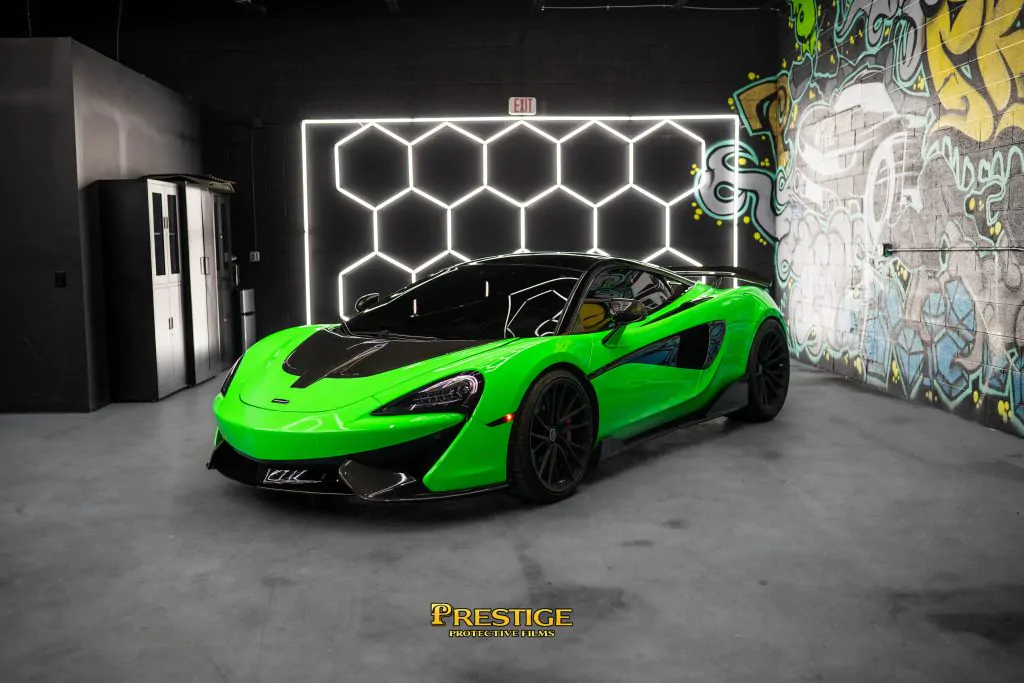
Understanding the Connection Between Window Tint and Fuel Efficiency When considering ways to improve your vehicle’s fuel efficiency, window tinting might not be the first solution that comes to mind. However, it’s a surprisingly effective method to enhance your car’s performance while also offering numerous other benefits. This article delves into how window tinting can impact fuel efficiency and why it’s worth considering for your vehicle. Auto window tinting is often associated with aesthetic enhancement and privacy, but its benefits extend far beyond these superficial perks. By strategically managing the amount of heat and light entering your vehicle, window tinting plays a crucial role in optimizing energy consumption. As we explore the various aspects of window tinting, you’ll discover how this simple modification can lead to substantial improvements in your vehicle’s efficiency and overall performance. At Prestige Protective Films, we specialize in providing professional window tinting services that not only enhance the look of your vehicle but also contribute to better fuel economy. Our expertise ensures that you receive the maximum benefits from your window tinting investment. How Window Tinting Reduces Heat Absorption One of the primary benefits of auto window tinting is its ability to reduce the heat absorbed by your vehicle. Tinted windows can block up to 99% of harmful ultraviolet (UV) rays and reduce solar heat by up to 60% . This means your car’s interior remains cooler, requiring less energy to achieve a comfortable temperature. With less heat absorption, your vehicle’s cooling system operates more efficiently, leading to immediate fuel savings. The reduction in heat absorption also contributes to less wear and tear on your car’s air conditioning components. By minimizing the need for constant cooling, window tinting extends the lifespan of your vehicle’s AC system. This not only reduces maintenance costs but also ensures that your vehicle remains efficient and comfortable over time. At Prestige Protective Films, we use high-quality tinting materials that are designed to maximize heat rejection, ensuring that your vehicle stays cooler even on the hottest days. Our professional window tinting installation guarantees optimal performance and longevity of the tint. Lowering Air Conditioning Usage for Better Fuel Economy With less heat to combat, your car’s air conditioning system does not need to work as hard. Air conditioning units are one of the biggest consumers of fuel in vehicles. By reducing the load on these systems, you can achieve better fuel economy. In fact, window tinting can improve fuel efficiency by up to 15% . In addition to fuel savings, reduced air conditioning usage leads to a quieter ride. Since the AC system operates less frequently and at lower intensities, the interior ambiance is more serene, enhancing the overall driving experience. This quieter operation also translates to less mechanical strain, potentially increasing the longevity of your vehicle’s engine. Choosing Prestige Protective Films for your window tinting needs ensures that you benefit from reduced AC usage, leading to significant fuel savings over time. Our expert team is dedicated to enhancing your driving comfort and vehicle efficiency. Enhanced Vehicle Performance Through Efficient Energy Use When your vehicle consumes less fuel to power the air conditioning, it can allocate more power to other systems. This means better overall performance and reduced strain on the engine, leading to a longer lifespan for your vehicle. The engine can operate more efficiently, resulting in smoother acceleration and improved handling. Moreover, with less energy diverted to climate control, your vehicle’s power train can focus on delivering optimal performance. This can be particularly beneficial during demanding driving conditions, such as steep inclines or highway driving, where every bit of engine efficiency matters. Ultimately, this translates to a more responsive and enjoyable driving experience. At Prestige Protective Films, we understand the importance of vehicle performance. Our window tinting solutions are designed to enhance your car’s efficiency, ensuring that you enjoy a superior driving experience every time you hit the road. Additional Benefits of Window Tinting Increased Privacy and Security Tinted windows provide an extra layer of privacy by obscuring the view into your vehicle. This can deter potential thieves, as it makes it harder to see valuables inside. The added privacy also enhances the feeling of security while driving, allowing occupants to feel more at ease. In addition to privacy, window tinting can act as a deterrent to break-ins. Tinted films strengthen windows, making them more resistant to shattering upon impact. This added durability provides an extra line of defense against potential intrusions, giving car owners peace of mind when leaving their vehicle unattended. Prestige Protective Films offers high-quality tinting options that not only improve fuel efficiency but also enhance the security and privacy of your vehicle. Our expert installations ensure that you receive the full spectrum of benefits from your window tinting investment. Protection from Harmful UV Rays Prolonged exposure to UV rays can lead to skin damage and increase the risk of skin cancer. Window tinting blocks a significant amount of these harmful rays, offering protection to you and your passengers. By filtering out UV rays, tinted windows also prevent eye strain and reduce glare, contributing to safer and more comfortable driving conditions. Furthermore, UV protection helps preserve the interior of your vehicle. The sun’s rays can cause the interior of your vehicle to fade and deteriorate over time. Window tinting helps protect the upholstery, dashboard, and other interior components from sun damage, maintaining your car’s aesthetic and resale value. At Prestige Protective Films, we use advanced tinting materials that provide superior UV protection, ensuring both your health and your vehicle’s interior are safeguarded against sun damage. Preservation of Vehicle Interior The sun’s rays can cause the interior of your vehicle to fade and deteriorate over time. Window tinting helps protect the upholstery, dashboard, and other interior components from sun damage, maintaining your car’s aesthetic and resale value. By preventing fading and cracking, window tinting ensures that your vehicle remains in showroom condition for years to come. Preserving the interior also means fewer expenses on repairs and replacements. By
How Window Tint Protects Your Skin (Skin Cancer Prevention)

Window Tint Protect Skin and Skin Cancer Prevention isn’t just a headline—it’s a fact backed by science. We often think of sun exposure as something that happens at the beach or while walking outside, but what about while driving? Many people are surprised to learn that harmful UV rays can penetrate car windows, exposing drivers and passengers to long-term skin damage. This daily exposure can silently contribute to premature aging, sunspots, and even skin cancer over time. Driving puts your skin at risk even if you’re in a fully enclosed car. Standard car windows block some UVB rays (which cause sunburn), but not UVA rays. UVA rays go deeper, damaging skin cells and accelerating aging, and are the ones most linked to skin cancer. Without protection, you’re essentially sunbathing every time you hit the road for errands or a commute. This is why skin protection inside your vehicle is not just a luxury — it’s a necessity. Investing in window tinting isn’t just about looking cool or staying cooler; it’s about your long-term health. At Prestige Protective Films, we’re on a mission to help drivers take proactive steps against sun-related skin damage through high-quality window tint solutions. Understanding UV Rays and Their Impact on Skin Ultraviolet (UV) radiation is invisible to the naked eye but extremely powerful. There are two primary types that impact our skin: UVA and UVB. UVB rays are mostly responsible for causing sunburn, while UVA rays penetrate deeper into the skin and are the main culprits behind premature aging and skin cancer. Unfortunately, glass doesn’t stop them both equally. While windshields typically block most UVB rays, side and rear windows let in nearly all UVA radiation unless they’re treated. This means the arm closest to the driver’s side window, and even the left side of your face, can be subject to prolonged, one-sided exposure every time you drive. Over time, this uneven exposure can lead to asymmetrical signs of aging and increase the risk of melanoma and other forms of skin cancer. The key takeaway is this: UV damage doesn’t just happen when you’re tanning under direct sunlight. It happens in your car, at the office next to a window, or even on a cloudy day. Protecting yourself from this silent threat is where professional window tinting comes into play — and that’s where Prestige Protective Films excels. How Window Tint Acts as a Sunscreen for Your Car Think of quality window tint as a layer of sunscreen for your car — one that never wears off. High-grade window films are designed to block up to 99% of UV rays, creating an invisible barrier between you and the sun. This means you can significantly reduce your exposure to harmful radiation just by upgrading your vehicle’s windows. Modern tinting technology doesn’t just darken your windows for style or heat reduction. It actually uses advanced materials like nano-ceramic particles or multi-layered polyester to reflect or absorb UV rays before they reach you. Unlike sunscreen that must be reapplied every couple of hours, window tint provides constant protection every time you’re inside your car. With tint professionally installed by Prestige Protective Films, you get a tailored UV shield that covers every angle of your ride — front, sides, and back. Whether you’re commuting daily or taking long road trips, you’re getting uninterrupted protection that goes far beyond cosmetic benefits. It’s a smart, set-it-and-forget-it solution for skin health. Window Tint vs. Factory Glass Protection Many drivers assume that factory glass is already protective enough, but that’s a misconception. While most windshields do provide UVB protection due to federal regulations, the same can’t be said for the side and rear windows of most vehicles. In fact, studies have shown that some car windows allow as much as 63% of UVA rays to pass through. This level of exposure can be especially dangerous for those who spend significant time driving — think truckers, delivery drivers, rideshare operators, and sales professionals. Over the years, these UVA rays can accumulate damage to the skin and increase the risk of skin abnormalities, including actinic keratosis and basal cell carcinoma. Professional-grade window tint upgrades your factory glass, transforming it into a far more protective barrier. Prestige Protective Films installs high-performance tint solutions that go far beyond what’s offered from the factory. The result? A serious upgrade in both safety and peace of mind. Skin Cancer Risks Behind the Wheel You might not notice sun damage right away, but the cumulative effect is real. Dermatologists have long noted that in the U.S., skin cancers tend to be more common on the left side of the body — the driver’s side. This isn’t a coincidence. It’s a result of years of sun exposure while sitting behind the wheel without proper UV protection. Melanoma, the deadliest form of skin cancer, is particularly concerning because it can appear in places you wouldn’t expect. Even short daily drives without proper protection can eventually lead to issues. Over time, sunspots and actinic damage become permanent markers of exposure, leading to increased risk even for those with darker skin tones. Tinting your auto windows is a small change with potentially life-saving implications. By choosing Prestige Protective Films, you’re not just investing in your car — you’re protecting your skin from future harm. It’s an upgrade that pays off every time the sun shines through your windows. Additional Health Benefits of UV-Blocking Window Tint While skin cancer prevention is a big reason to tint your windows, it’s far from the only one. UV-blocking tint also protects your eyes from sun damage. Prolonged exposure to UV rays can contribute to cataracts and other eye issues. With proper tint, you reduce glare and protect your vision during every drive. Tint also plays a role in preventing immune system suppression. Sounds wild, right? But some studies suggest that overexposure to UV rays can temporarily suppress immune function, making your body more susceptible to illness. So the less UV you’re exposed to while driving, the better your
PPF vs Ceramic Coating: Which One Is Best for Your Car
Every Waterford driver asks some version of the same question. PPF vs ceramic coating, which one actually protects a car better? Road salt, loose gravel, and Michigan’s harsh summer sun wear down factory paint at different speeds. Prestige Protective Films fields this question daily from owners comparing full paint protection film installation against a ceramic coating package. The right answer depends on the type of damage a vehicle faces most. This guide breaks down what each product does, where each one wins, and when combining both makes sense. What Is Paint Protection Film and How Does It Work Paint protection film, often shortened to PPF, is a clear urethane film applied directly to painted panels. Installers stretch it over the hood, fenders, bumper, and mirrors, then trim it precisely to each edge. The film bonds to the clear coat and becomes a sacrificial layer. It absorbs impact instead of letting it reach the paint. Self-Healing Technology and Film Thickness Explained Most professional-grade films, including XPEL Ultimate Plus, measure around 8 mils thick. That thickness comes from a topcoat built with self-healing polymers. Light swirl marks and shallow scratches soften and disappear under direct sunlight or a heat gun. The finish clears up again without polishing or touch-up paint. What PPF Actually Protects Against PPF handles physical threats first. Rock chips, key scratches, minor door dings, and fine scuffing all get absorbed by the film. None of it reaches the paint underneath. PPF also blocks UV rays from reaching the clear coat, which slows long-term fading on dark colors especially. Where PPF Falls Short on Its Own Raw film still holds dirt and water the way factory paint does. The polymer surface is not naturally hydrophobic without a ceramic topcoat added on top. Film can also look dull faster and collect water spots from Michigan’s hard well water in some townships. What Is Ceramic Coating and How Does It Protect Paint Ceramic coating is a liquid polymer, usually built around silicon dioxide nanoparticles. It chemically bonds to the clear coat once cured, filling microscopic pores in the paint. The result hardens into a glass-like layer within a few days. Prestige Protective Films applies every ceramic coating package inside a controlled, dust-free bay so the bond cures evenly. The Hydrophobic Layer and Why It Matters That cured layer is hydrophobic, so water beads tightly and rolls off instead of sheeting flat. Road grime, bird droppings, tree sap, and pollen slide off far more easily during a routine wash. The same layer deepens gloss and adds a wet-look shine that stands out at local car shows. What Ceramic Coating Cannot Do Ceramic coating will not stop a rock chip, a deep key scratch, or a parking lot door ding. It is a chemical shield against oxidation, UV fade, and chemical staining, not a physical buffer. Owners who expect it to behave like body armor are usually disappointed after one gravel road trip. PPF vs Ceramic Coating: Key Differences at a Glance Factor Paint Protection Film Ceramic Coating Primary protection Physical impact, rock chips, scratches Chemical resistance, UV fade, staining Typical lifespan 5 to 10 years 1 to 9 years, based on tier Michigan cost range $900 partial front to $9,000+ full vehicle $500 entry tier to $3,000+ pro-grade Hydrophobic beading Minimal on its own Strong, noticeable on first wash Self-healing Yes, with heat exposure No Gloss enhancement Slight, film-dependent Significant, deepens color depth Rock chip resistance Strong Weak Best paired with Ceramic topcoat for gloss and easy cleaning PPF on high-impact panels first The lifespan gap surprises most first-time buyers. Ceramic coating often gets sold as one product instead of a tiered system with real range. Entry, mid, and long-term tiers all exist and price out differently. The full ceramic coating cost guide breaks each tier down by vehicle size and durability rating. Which Protection Is Best for Waterford and Southeast Michigan Drivers Southeast Michigan roads throw two different threats at a hood across one year. Winter brings road salt and brine along corridors like Elizabeth Lake Road and M-59. Summer construction season kicks up loose gravel on I-75 and local surface streets. Prestige Protective Films is based in Waterford Township, and the shop watches this seasonal split play out every year. The pattern repeats across the entire Southeast Michigan service area. Best Choice for Daily Drivers Facing Road Salt and Gravel Daily drivers commuting through winter brine and summer construction zones get the most value from PPF. Coverage on the front bumper, hood, and mirrors absorbs the chips that salt-slick roads and loose gravel throw up constantly. Ceramic coating alone will not stop that kind of pitting. Best Choice for Show Cars and Weekend Drivers Weekend cars and garage-kept vehicles that see less road exposure often do fine with ceramic coating alone. The gloss boost and faster washing matter more than impact protection here. Many owners still add partial-front PPF for peace of mind on longer trips. Why Luxury and Exotic Car Owners Often Choose Both The Waterford Township shop works with a heavy share of Tesla, Porsche, BMW, Corvette, and Rivian owners across Oakland County. The buying pattern stays consistent among this group. High-value paint jobs depreciate fast once chipped, so full-body PPF gets treated as standard equipment rather than an upgrade. Ceramic coating gets layered on top afterward for the deep gloss that show-quality vehicles are judged on. Electric vehicles bring their own wrinkle. Factory paint on models like the Tesla Model 3 and Model Y often runs thinner than legacy gasoline vehicles. That thinner clear coat chips more easily and shows swirl marks faster under detailing lights. The Tesla PPF vs ceramic coating breakdown covers that specific comparison in more depth for EV owners. Can PPF and Ceramic Coating Be Combined for Maximum Protection Combining both is the most common recommendation for daily-driven vehicles across Michigan, and the order matters. PPF goes on first, covering the high-impact panels most exposed to chips and road debris.
How Much Does Paint Protection Film Cost in Michigan? 2026 PPF Prices
Paint protection film costs about $900 to $9,000 or more in Michigan. Coverage level, vehicle size, film finish, and paint condition shape the final price. Most partial-front packages cost $900 to $1,800. Full-front packages often cost $1,700 to $3,000. Track packages generally run from $2,500 to $4,500. Full-body installations commonly range from $5,000 to $9,000 or more. These are 2026 planning ranges from published Michigan menus. They are not fixed prices for every vehicle. Prestige Protective Films provides warranty-backed paint protection film in Waterford, MI. This guide explains package differences, hidden variables, add-ons, and questions that produce a useful quote. What Does PPF Cost in Michigan in 2026? Michigan PPF prices differ because shops sell coverage packages, not a standard product by the square foot. A package name alone cannot confirm the panels, preparation, film, or warranty included. The table below reflects current planning ranges found across published Michigan installer menus. Smaller vehicles with simple panels may fall near the lower end. Trucks, large SUVs, exotics, and complex bumpers can reach the upper end. PPF coverage Typical 2026 Michigan range Commonly covered areas Partial front $900–$1,800 Front bumper, partial hood, partial fenders, mirror caps Full front $1,700–$3,000 Front bumper, full hood, full fenders, mirror caps, sometimes lights Track or highway $2,500–$4,500 Full front plus selected rockers, pillars, roof edge, or rear impact areas Full vehicle $5,000–$9,000+ Most exterior painted body panels What Are Typical PPF Package Prices? Partial-front coverage provides the lowest entry price. Full-front coverage removes the hood line created by partial film. Track packages extend protection toward areas exposed to tire spray and road debris. Full-body film has the highest material and labor cost. It can also create one consistent gloss, satin, or matte appearance. The installer must inspect paint condition before confirming suitability. Package labels are not standardized. One shop’s track package may include A-pillars and rockers. Another may include the leading roof edge or rear-wheel impact areas instead. What Is Included in Partial and Full-Front PPF? A partial-front package usually covers the front bumper, mirror caps, and leading hood and fender sections. This option controls cost but leaves a visible film line on the hood and fenders. A full-front package generally covers the complete hood, full front fenders, front bumper, and mirror caps. Headlights, fog lights, A-pillars, door cups, or roof edges may cost extra. Prestige Protective Films lists separate partial-front and full-front packages. Its service page also identifies optional areas, warranty terms, and expected one-day turnaround for those packages. How Much Do Track and Full-Body Packages Cost? Track or highway packages commonly cost $2,500 to $4,500 in Michigan. They usually start with full-front coverage. Rocker panels, A-pillars, roof edges, and rear-wheel impact zones may follow. Full-body PPF commonly costs $5,000 to $9,000 or more. Large SUVs, trucks, specialty finishes, and intricate vehicles can cost more than that. Coverage should list every painted panel and excluded item. Matte or satin film can change glossy paint while protecting it. Full-body coverage helps keep the finish consistent across adjacent panels. Drivers can also compare PPF coverage for Birmingham vehicles. How Does Vehicle Type Affect PPF Cost? Larger vehicles use more film and often take longer to install. Panel complexity matters as much as exterior size. A compact sports car with deep vents may cost more than a simple sedan. Vehicle type Partial front Full front Track or highway Full body Compact car or sedan $900–$1,800 $1,700–$2,800 $2,500–$4,000 $5,000–$7,500 SUV or crossover $1,200–$2,200 $2,000–$3,500 $3,000–$4,800 $6,000–$9,000+ Pickup truck $1,200–$2,500 $2,100–$3,500 $3,000–$5,000 $6,000–$9,000+ Exotic or complex vehicle Inspection required $2,500–$4,000+ $3,500–$5,500+ $7,000–$10,000+ These figures help with budgeting but do not replace an inspection. Prestige Protective Films can confirm the panel list after reviewing the vehicle, paint, finish, and intended use. What Factors Change a PPF Quote? Coverage creates the largest price difference. Film brand, finish, warranty, panel shape, edge treatment, and installation method also matter. Precut patterns and bulk installation can require different labor. Paint correction, coating removal, old-film removal, trim removal, and badge replacement can increase the total. Sensors, spoilers, body kits, vents, and aftermarket parts can also change installation time. Drivers comparing PPF versus ceramic coating for Michigan vehicles should separate physical impact protection from surface behavior. A coating can improve cleaning and gloss. It does not replace film against stone chips. How Much Can Prep Work and Add-Ons Cost? Published menus show small protection areas priced separately. Door cups, door edges, trunk ledges, headlights, roof edges, and rocker panels may add roughly $100 to $500 each. Complex or oversized panels can cost more. Paint correction has no reliable flat price because defects differ. The installer should explain which defects require correction before film. PPF preserves the surface beneath it and does not repair chips or failing clear coat. Old PPF removal also requires inspection. Age, adhesive condition, panel history, and repainted surfaces affect labor and risk. A low installation quote may exclude these necessary steps. Is Paint Protection Film Worth the Price? PPF can make sense for a new vehicle, frequent highway use, long ownership, or difficult paint matching. It absorbs minor abrasions and helps protect exposed paint from common road debris. Partial or full-front coverage often provides the strongest cost-to-coverage balance for daily drivers. Full-body film suits owners who prioritize consistent protection or a uniform specialty finish. PPF cannot prevent dents, major impacts, vandalism, or every chip. It also does not guarantee a higher resale price. Value depends on coverage, driving exposure, paint condition, ownership plans, and installation quality. What Does PPF Cost to Own Over Time? The initial installation is the main expense, but care and future removal also matter. Safe washing, prompt contaminant removal, and proper edge care can reduce avoidable wear. The guide to maintaining paint protection film in Michigan weather explains practical care. Brushes, aggressive chemicals, and close pressure-washing around edges can shorten useful life. Confirm which inspection visits, edge repairs, stain removal, warranty labor, or removal services are included. A cheaper quote may cost more later. How
How Long Does Paint Protection Film Last? PPF Lifespan Guide
How long does paint protection film last? Most quality PPF holds up 5 to 10 years, and Prestige Protective Films installs it across Waterford Township every week. The honest answer depends on film grade, installer skill, and Michigan’s tough winters, not a generic brochure number. Key Takeaway: Paint protection film lasts 5 to 10 years on average. Premium TPU film can reach the full 10-year warranty term with proper care. XPEL, 3M, and SunTek all back premium film with 7- to 10-year manufacturer warranties. Film quality, installer skill, and Michigan’s road salt are the biggest factors in how long PPF actually lasts here. Budget PVC film can start failing in as little as 2 to 4 years. Yellowing, edge lifting, and a loss of self-healing are the clearest signs PPF needs replacing. Ceramic coating over PPF can extend its usable life by shedding salt and grime before they reach the film. What Is Paint Protection Film and How Does It Work Paint protection film Waterform, MI is a clear, self-healing layer applied over factory paint. It absorbs rock chips, road grit, and minor scratches before they reach the clear coat. It has become the standard first upgrade for new vehicle owners across Oakland County. Coverage Options: Partial vs Full Vehicle PPF Coverage comes in tiers. A partial front package covers the bumper, hood edge, and mirrors, while full coverage protects more panels. Highway drivers often choose partial coverage, while gravel-route commuters tend to choose full-vehicle packages. TPU vs PVC: What PPF Is Made From Most modern PPF uses thermoplastic polyurethane, or TPU, with a topcoat that resists stains and UV yellowing. Premium brands like XPEL and 3M lead this tier, while Avery Dennison and KPMF offer strong mid-to-premium alternatives. Older or budget film still uses PVC, a stiffer plastic that cracks and yellows faster in direct sun. Self-Healing Technology Explained The self-healing layer is the real innovation behind modern film. Light swirl marks and fine scratches disappear once the film warms up, from sunlight or warm water. The elastomeric polymer simply reflows back into shape, with no buffing needed. How Long Does Paint Protection Film Actually Last Paint protection film lasts 5 to 10 years, with premium TPU film reaching the full 10-year mark many warranties cover. The 2026 PPF cost guide for Michigan vehicles breaks down pricing by package and film grade. Prestige Protective Films sets expectations against these same industry benchmarks at every consultation. Premium Film Lifespan and Warranties Warranty length is a useful lifespan benchmark, since manufacturers set these terms from real durability testing. XPEL backs its Ultimate Plus film with a 10-year limited warranty against peeling, cracking, yellowing, and bubbling. 3M’s Pro Series carries a similar term, and SunTek’s premium lines typically run 7 to 10 years. Mid-Range and Budget Film Lifespan Mid-range films from reputable brands often last 5 to 7 years before yellowing or edge lifting appears. Budget or PVC-based film is the outlier. It can start degrading in as little as 2 to 4 years, especially through Michigan’s hot summers and cold winters. Colored and Matte Film Lifespan Colored and matte PPF finishes behave differently than clear gloss film. Matte film has a textured topcoat that shows swirl marks more easily and self-heals a bit slower. Colored PPF pigments can also fade a year or two earlier than clear film under the same sun exposure. What Determines How Long PPF Lasts Film quality is only one part of the lifespan equation. Four other factors decide if PPF reaches its full potential. Getting all four right separates a 10-year film from a 3-year disappointment. Installation Quality A rushed or amateur install is the most common reason PPF fails early. Poor edge wrapping, trapped dirt, or overstretched panels all shorten lifespan, no matter how good the film is. Certified PPF installers near Drayton Plains and Oakland County follow manufacturer templates and heat-forming steps to prevent these problems. Driving Habits and Road Conditions Highway commuters and drivers on gravel or construction routes put more wear on film edges. Frequent exposure to salt brine and loose gravel accelerates chipping right at those leading edges. City stop-and-go driving, by comparison, is far gentler on film edges. Maintenance Routine Regular washing keeps contaminants from etching into the film surface. Skipping washes for months lets salt, bird droppings, and tree sap sit on the film longer, which speeds up staining. A quick rinse after a messy job, like an oil change, also helps. Vehicle Storage A vehicle parked outdoors year-round takes far more UV and weather exposure than one kept in a garage. Covered or indoor storage can add a year or two of usable film life on its own. Even a simple car cover helps on nights without garage access. How Michigan Winters and Road Salt Affect PPF in Waterford Township Southeast Michigan puts PPF through a harder test than warmer states see. Understanding how Waterford’s roads affect paint protection film explains why local care habits matter so much here. Prestige Protective Films sees this firsthand on vehicles commuting through Waterford, Pontiac, and Clarkston every winter. Road salt is the biggest local threat to film longevity. Salt brine clings to the bumper and rocker panels, and sitting too long lets it work into film seams. Regular winter rinsing, including the undercarriage, limits that exposure. Freeze-thaw cycles add a second stress point unique to this region. Film contracts in sub-zero cold and expands again once it warms up, and repeated cycling can loosen edge adhesive. Spring pothole season adds a third factor, since loose gravel from cracked roads hits front bumpers harder than in summer. Signs Paint Protection Film Needs Replacing Most PPF gives clear warning signs before it fails completely. Watching for these keeps a vehicle from driving around with film that has stopped doing its job. Yellowing or a cloudy haze across large panels is the most obvious sign. It usually means the UV inhibitors in the film have broken down. Lifting or peeling at the
Window Tinting DIY vs Professional Installation: Which Option is Right for You?
When it comes to window tinting, many vehicle owners are torn between doing it themselves (DIY) or hiring a professional. Each approach comes with its own set of benefits and challenges, and deciding which one is best for you can be overwhelming. Window tinting DIY vs professional installation is a common debate, and today we’re here to break down everything you need to know. In this article, we’ll walk you through the pros and cons of both options, so you can make an informed decision that suits your needs, budget, and car. What is Window Tinting? Before we dive into the differences between DIY and professional installation, let’s briefly explain what window tinting is. Window tinting is the process of applying a thin film to the glass of a vehicle. This film can be made from various materials, such as dyed, metallic, carbon, or ceramic, and it serves several purposes. It helps to block UV rays, reduce glare, increase privacy, and even enhance the overall appearance of your vehicle. Choosing the right type of tint film and installation method is crucial for achieving the results you want. The tinting process can vary depending on your car’s windows, the tint film type, and whether you’re doing it yourself or hiring a professional. Why Choose DIY Window Tinting? Many vehicle owners are drawn to DIY window tinting because it seems like a more affordable and hands-on option. If you’re someone who enjoys working on your car and wants to save a few bucks, DIY might be the way to go. Here are the main reasons why people opt for DIY window tinting: Cost-Effective: One of the biggest appeals of DIY tinting is the savings. Professional installation can cost anywhere from $200 to $600, depending on the car, location, and type of tint. DIY kits, on the other hand, typically cost between $30 and $100, depending on the tint quality. Personal Satisfaction: There’s a sense of accomplishment that comes with completing a DIY project. You’ll take pride in knowing that you did it all yourself, and it can be a rewarding challenge. Flexibility: DIY gives you the flexibility to install the tint at your own pace. No need to schedule an appointment or wait around for the job to be done. You can do it whenever you have the time. Tools Needed for DIY Window Tinting To get the job done right, you’ll need a few basic tools and supplies. Here’s a quick rundown of what you’ll need to tackle the job: Window Tint Film: This is the most essential part of the job. Make sure to choose a high-quality film that suits your needs (ceramic, carbon, etc.). Heat Gun: A heat gun helps in molding the tint film to the shape of your car’s windows. Squeegee: Used to remove bubbles and smooth out the tint film on the window. Utility Knife: To trim the edges of the tint film for a precise fit. Spray Bottle with Soapy Water: This will help in applying the film smoothly and prevent bubbles. Measuring Tape: Ensure the tint film is cut to the exact dimensions of your car’s windows. Challenges of DIY Window Tinting While DIY window tinting offers several benefits, there are also a few challenges you should be aware of before taking on the project. Here are the potential pitfalls: Complexity: Tinting windows is not as simple as it looks. If you don’t have experience, you may struggle with the application process. Getting the tint to fit perfectly around the window, especially for curved or rear windows, can be tricky. Messy Results: If you don’t apply the tint properly, you may end up with bubbles, creases, or wrinkles in the film. These imperfections can make your windows look unprofessional and might even affect your vision. Time Consuming: DIY tinting can take hours, especially if you’re a first-timer. You may need to make multiple attempts to get it right, which can be frustrating. Potential Damage: If you’re not careful, you could end up damaging the windows, seals, or tint film. This could lead to costly repairs or rework. Why Choose Professional Window Tinting Installation? On the other hand, professional installation is a popular choice for those who want peace of mind, expert results, and long-lasting tint. Here’s why professional installation might be the better option for you: Expertise: Professional tint installers have years of experience, ensuring that the tint is applied perfectly. They know how to handle difficult curves, edges, and other complexities that come with tinting your vehicle’s windows. Quality Guarantee: Most professional tinting services offer a warranty on their work, giving you peace of mind. If there are any issues with the tint, you can have it fixed without any additional cost. Time-Saving: Professional installers can usually complete the job in a matter of hours. They have the tools and skills to get it done quickly and efficiently, so you don’t have to spend your valuable time trying to figure it out yourself. No Mistakes: Professionals know how to avoid common mistakes like wrinkles, bubbles, or misalignment. With their expertise, you’ll get a flawless finish that looks great and lasts longer. How Professional Installation Works: What to Expect When you choose professional window tinting, here’s what you can expect during the installation process: Consultation: The process begins with a consultation where the installer will discuss your preferences, budget, and the type of tint that will work best for your vehicle. Preparation: The installer will carefully clean the windows to remove any dirt, dust, or debris that could affect the tint’s adhesion. Cutting and Applying the Film: The installer will cut the tint film to fit your windows precisely and apply it using specialized tools to ensure a smooth and bubble-free finish. Drying and Curing: Once the tint is applied, the windows will be left to dry and cure. This ensures that the tint adheres properly and remains durable over time. Final Inspection: After installation, the professional will inspect the work to ensure
Tesla PPF vs Ceramic Coating: Which Is the Best Option for Your Tesla?
Owning a Tesla isn’t just about driving; it’s about making a statement. With its sleek design and cutting-edge technology, every Tesla deserves to look as immaculate as it drives. But daily wear and tear, debris, and environmental factors can quickly take a toll on its pristine finish. This is where the debate between Tesla PPF (Paint Protection Film) vs Ceramic Coating comes into play. Which option truly protects your Tesla while enhancing its aesthetic? Let’s dive deep into the comparison to help you make the right decision. What Is PPF (Paint Protection Film) for Tesla? PPF, or Paint Protection Film, is a clear, thermoplastic urethane film applied to a vehicle’s exterior surfaces. Its primary purpose is to protect your Tesla’s paint from physical damage like: Scratches Rock chips Swirl marks Minor abrasions How Does PPF Work? PPF creates a physical barrier between your car’s paint and the outside world. Thanks to its self-healing properties, minor scratches on the film can disappear when exposed to heat or sunlight. This makes PPF ideal for Tesla owners who frequently drive on rough roads or want maximum protection for their investment. Key Features of PPF: Durability: Typically lasts 5–10 years with proper care. Self-Healing: Repairs minor damage automatically with heat. Full Coverage: Can cover bumpers, hoods, doors, and other vulnerable areas. What Is Ceramic Coating for Tesla? Ceramic coating is a liquid polymer applied to a car’s exterior that chemically bonds with the factory paint. Unlike PPF, ceramic coating doesn’t provide physical protection but enhances the car’s appearance and makes maintenance easier. How Does Ceramic Coating Work? Once applied, the coating forms a hydrophobic layer that repels water, dirt, and contaminants. It also enhances the gloss and shine of your Tesla, giving it that showroom look for years. Key Features of Ceramic Coating: Gloss Enhancement: Deepens the paint’s shine. Hydrophobic: Water and dirt slide off easily. UV Protection: Shields the paint from sun damage and fading. Longevity: Can last 2–5 years depending on the quality. Tesla PPF vs Ceramic Coating – A Detailed Comparison 1. Protection Level PPF: Offers superior physical protection against scratches, rock chips, and debris. Ceramic Coating: Protects against environmental factors like UV rays, acid rain, and oxidation but lacks physical protection. 2. Aesthetic Enhancement PPF: Maintains the original paint look but doesn’t significantly enhance gloss. Ceramic Coating: Amplifies gloss and provides a polished, glass-like finish. 3. Durability Feature PPF Ceramic Coating Lifespan 5–10 years 2–5 years Maintenance Effort Minimal Requires regular washing Reapplication Cost High Moderate 4. Maintenance PPF: Requires occasional cleaning to maintain clarity but generally low-maintenance. Ceramic Coating: Needs regular washing to preserve its hydrophobic properties. 5. Cost Aspect PPF Ceramic Coating Initial Investment $1,500–$5,000 $800–$2,000 Long-Term Cost Higher Lower Value for Money Best for heavy use Best for aesthetic lovers Benefits of Using PPF for Tesla Maximum Protection: Shields your Tesla from scratches, dings, and road debris. Longevity: Lasts up to a decade with proper care. Self-Healing Properties: Small damages disappear without professional help. Pro Tip: PPF is ideal for Tesla owners who frequently drive in areas with harsh conditions or high road debris. Benefits of Using Ceramic Coating for Tesla Enhanced Aesthetics: Provides a deep, glossy finish. Hydrophobic Properties: Dirt and water slide off effortlessly. UV Resistance: Protects against sun damage and fading. Pro Tip: Ceramic coating is perfect for Tesla owners who prioritize aesthetics and low-maintenance solutions. Should You Combine PPF and Ceramic Coating? For Tesla owners who want the best of both worlds, combining PPF and ceramic coating is a game-changer. Here’s how it works: PPF: Applied to high-impact areas like the front bumper, hood, and doors. Ceramic Coating: Applied on top of the PPF or to other areas for enhanced gloss and hydrophobic properties. This combination offers ultimate protection and an unbeatable finish. FAQs About Tesla PPF vs Ceramic Coating 1. Can PPF and Ceramic Coating Be Used Together? Yes! Using PPF on high-impact areas and ceramic coating over the entire car offers comprehensive protection and visual enhancement. 2. Does PPF Affect Tesla’s Sensors or Autopilot? No, professional installation ensures PPF does not interfere with Tesla’s sensors or autopilot functions. 3. How Long Does Ceramic Coating Last on a Tesla? Ceramic coating typically lasts 2–5 years, depending on quality and maintenance. 4. Is PPF Worth the High Cost? For Tesla owners prioritizing physical protection, especially in harsh environments, PPF is a worthwhile investment. 5. Can I Install PPF or Ceramic Coating Myself? While DIY kits are available, professional installation ensures a flawless finish and long-lasting results. Final Thoughts: Choosing the Right Option for Your Tesla Both PPF and ceramic coating offer unique benefits, but the right choice depends on your priorities. If maximum protection is your goal, PPF is the way to go. If you’re looking for a low-maintenance solution with stunning aesthetics, ceramic coating is a fantastic option. And for those who want it all, combining both is the ultimate solution. Protect Your Tesla with Prestige Protective Films: Expert PPF and Ceramic Coating in Waterford Township, MI At Prestige Protective Films, we know how much your Tesla means to you. That’s why we specialize in top-quality PPF (Paint Protection Film) and ceramic coating services in Waterford Township, MI. With our expert team and premium-quality materials, your Tesla will look flawless and stay protected for years to come. Plus, we customize every service to match your needs and ensure your Tesla’s unique style shines through. Don’t wait until the damage is done! Visit us at Prestige Protective Films today or give us a call to schedule your Tesla’s ultimate protection. Let’s keep your ride as stunning as the day you g